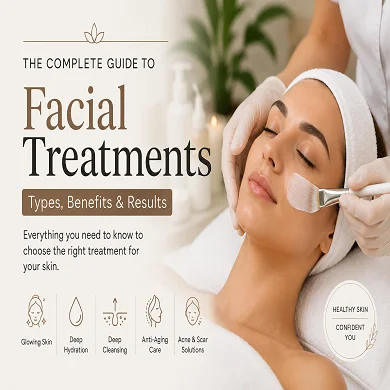
Facial treatments have become one of the most popular ways to improve skin health, boost radiance, and target common concerns such as acne, wrinkles, dryness, and uneven texture. But with so many options available, from HydraFacials and oxygen facials to chemical peels and anti-aging treatments, it can be difficult, it can be difficult to know which facial is actually right for your skin.
The truth is that there is no single “best” facial for everyone. A treatment that works well for oily, acne-prone skin may not suit sensitive or dry skin. Likewise, some facials are designed to improve hydration and glow, while others focus on concerns such as pigmentation, enlarged pores, fine lines, or acne scars.
This guide explains everything you need to know about Best Facial Treatments, including how they work benefits, the different types available, and how to choose the right one based on your skin types and goals.
Facial Treatments at a Glance
Facial treatments are professional skincare procedures designed to cleanse, exfoliate, hydrate, and improve the appearance of the skin. Different facials target different concerns, including acne, wrinkles, pigmentation, dullness, dehydration, and uneven texture. HydraFacials are commonly chosen for oily or acne-prone skin, oxygen facials help hydrate dry skin, and anti-aging facials may support smoother, firmer-looking skin.
If you are unsure where to start, this quick guide may help:
| Skin Concern | Facial Treatment Often Recommended |
| Acne & clogged pores | Hydrafacial, Acne Facial |
| Dry skin | Oxygen Facial |
| Fine lines & wrinkles | Anti-Aging Facial |
| Pigmentation & uneven tone | Chemical Peel |
| Dull skin | Brightening Facial |
| Enlarged pores | Deep Cleansing Facial |
| Acne scars | Microneedling |
The right facials depends on your skin type, sensitivity level, and skincare goals.
What Are Facial Treatments?
Facial treatments are professional skincare procedures designed to improve skin health through cleansing, exfoliation, hydration, extraction, massage, and targeted ingredients or technologies. Different treatments are used to address concerns such as acne, wrinkles, dryness, pigmentation, enlarged pores, and dull skin.
In simple terms, a facial is a professional treatment for your skin.
Unlike your everyday skincare routine, facial treatments are designed to provide deeper cleansing and more targeted care. Depending on the facial, treatments may remove dead skin cells, unclog pores, improve hydration, or support smoother-looking skin.
Most facial treatments are performed by:
- Licensed estheticians
- Skincare specialists
- Dermatology clinics
- Medical spas (med spas)
A typical facials often includes:
- Cleansing
- Exfoliation
- Steam or pore softening
- Extractions (when needed)
- Masks or serums
- Moisturizer and SPF
More advanced facials may involve technologies such as:
- LED light therapy
- Radiofrequency (RF)
- Oxygen infusion
- Hydradermabrasion
- Microneedling
- Chemical exfoliation
Professional Facials vs At-Home Skincare
Many people wonder if facials are actually necessary when they already use skincare products at home.
At-home skincare helps maintain your skin daily, while professional facial treatments provide deeper cleansing, stronger exfoliation, and more targeted treatment options that are harder to achieve at home.
Here is a quick comparison:
| Professional Facials | At-home skincare |
| Deep Cleansing | Surface Cleansing |
| Personalized assessment | Self-guided routine |
| Advanced Technologies | Limited Tools |
| Professional-grade products | OTC Skincare |
| Targeted treatment plans | Daily maintenance |
This does not mean facials replace skincare.
In most cases, the best approach is combining a consistent skincare routine with occasional professional treatments.
What Are the Benefits of Facial Treatments?
Facial treatments may help improve hydration, texture, brightness, and overall skin appearance. Depending on the facial type, benefits may include clearer pores, reduced oiliness, smoother texture, temporary radiance, and support for concerns such as acne, dullness, and early signs of aging.
Here are some of the biggest reasons people choose professional facials.
Deep Cleansing
Throughout the day, oil, sweat, sunscreen, pollution, and makeup can build up on the skin.
Professional facials are designed to cleanse more deeply than regular washing, helping remove impurities that may contribute to congestion.
This may help:
- Reduce clogged pores
- Improve texture
- Support clearer-looking skin
- Reduce excess oil
Exfoliation for Smoother Skin
Dead skin cells naturally build up over time.
Without regular exfoliation, skin may start to look:
- Dull
- Rough
- Uneven
- Congested
Many facials include exfoliation to help buildup and improve skin smoothness.
Potential benefits include:
- Better texture
- Brighter-looking skin
- Improved product absorption
Better Hydration
Hydrating facials are often chosen for dry or dehydrated skin.
These treatments may help improve:
- Skin softness
- Moisture levels
- Temporary plumpness
- Healthy-looking glow
Oxygen facials are one popular example of hydration-focused treatments.
Support for Acne-Prone Skin
Some facials are specifically designed for acne-prone skin.
Depending on the treatment, they may focus on:
- Oil control
- Deep cleansing
- Gentle exfoliation
- Pore congestion
- Skin calming
However, the best facial depends on acne severity and skin sensitivity.
Brighter, More Radiant Skin
Many people notice an immediate glow after a facials.
This often happens because of:
- Exfoliation
- Hydration
- Improved circulation
- Temporary skin plumping
This is one reason facials are popular before weddings, events, or special occasions.
Support for Early Signs of Aging
Certain facials are designed to improve the appearance of:
- Fine lines
- Uneven texture
- Mild laxity
- Dryness associated with aging
Treatments that encourage collagen support may help skin appear smoother over time.
What Are the Different Types of Facial Treatments?
There are many different types of facial treatments, and each one is designed to targeted different skin concerns. Some facials focus on hydration and glow, while others are better for acne, wrinkles pigmentation, or skin rejuvenation.
Here are some of the most common facial treatments available today.
HydraFacial
Best for: oily skin, acne-prone skin, enlarged pores, mild congestion.
HydraFacial is one of the most popular facial treatments because it combines cleansing, exfoliation, extraction, and hydration in a single procedure.
The treatment uses a specialized device to remove impurities while infusing hydrating serums into the skin.
Many people choose HydraFacials for:
- Oily skin
- Congested pores
- Mild acne
- Uneven texture
- Dull skin
Oxygen Facial
Best for: dry skin, dehydration, dullness, sensitive skin.
Oxygen facials are hydration-focused treatments designed to refresh and temporarily brighten the skin.
These facials typically use oxygen infusion and hydrating serums to improve moisture and radiance.
They are often chosen because they:
- Feel gentle
- Require little downtime
- Leave skin looking refreshed
Chemical Peel
Best for: pigmentation, uneven tone, acne marks, texture concerns.
Chemical peels use exfoliating acids to encourage skin renewal.
Depending on the strength of the peel, treatments may help improve:
- Pigmentation
- Uneven skin tone
- Mild acne scars
- Dullness
Some people experience temporary redness or peeling after treatment.
Microneedling
Best for: acne scars, enlarged pores, texture concerns, fine lines.
Microneedling uses tiny controlled needles to encourage collagen production.
The treatment is often chosen for:
- Acne scars
- Skin texture improvement
- Fine lines
- Pore concerns
Unlike glow facials, results often develop gradually over multiple sessions.
Anti-Aging Facial
Best for: fine lines, mature skin, firmness support.
Anti-aging facials often focus on hydration, exfoliation, and collagen-supporting ingredients.
Some treatments may include technologies such as:
- LED therapy
- Radiofrequency
- Firming masks
The goal is smoother, healthier-looking skin over time.
LED Facial
Best for: acne, redness, mild anti-aging concerns.
LED facials use light therapy to target different skin concerns.
Different lights serve different purposes:
| LED Light | Common Goal |
| Blue Light | Acne-prone skin |
| Red Light | Anti-aging support |
| Yellow Light | Skin calming |
LED facials are non-invasive and generally require no downtime.
Deep Cleansing Facial
Best for: oily skin, blackheads, congestion.
Deep cleansing facials are designed to target clogged pores and excess oil.
They often include:
- Deep cleansing
- Steam
- Gentle exfoliation
- Extractions
- Clarifying masks
Brightening Facial
Best for: dull skin, glow enhancement, uneven radiance.
Brightening facials are designed to help skin look fresher and more radiant.
These treatments commonly include:
- Vitamin C products
- Gentle exfoliation
- Hydrating masks
- Brightening serums
How Do You Choose the Right Facial Treatment?
The best facial treatment depends on your skin type, concerns, sensitivity level, and long-term skincare goals. What works for oily skin may not suit dry or sensitive skin.
Here is a simple guide.
Best Facial for Acne
Common options include:
- HydraFacial
- Acne facial
- LED facial
- Deep cleansing facial
These treatments are often chosen to help reduce congestion and excess oil.
Best Facial for Dry Skin
Hydration-focused facials tend to work best.
Common choices include:
- Oxygen facial
- Hydrating facial
- Gentle anti-aging facial
Best Facial for Oily Skin
People with oily skin often choose treatments that target congestion and enlarged pores.
Popular options include:
- HydraFacial
- Deep cleansing facial
- Acne facial
Best Facial for Wrinkles & Aging Skin
For early signs of aging, people often choose:
- Anti-aging facials
- Microneedling
- LED facials
- Radiofrequency facials
Best Facial for Pigmentation
For uneven tone and dark spots, common options include:
- Chemical peels
- Brightening facials
- Gentle exfoliation-based facials
Are Facial Treatments Safe?
Facial treatments are generally safe when performed by qualified professionals and matched to your skin type. However, some people may experience temporary redness, sensitivity, or mild irritation depending on the treatment used.
Common temporary side effects include:
- Mild redness
- Sensitivity
- Dryness
- Temporary irritation
Certain people should speak with a skincare professional before advanced facials, especially those with:
- Active skin infections
- Severe rosacea
- Extremely sensitive skin
- Open wounds
- Severe inflammatory acne
Can Facials Cause Breakouts?
Some people experience temporary breakouts after facials.
This may happen because:
- Congestion is being cleared
- Skin reacts to products
- Extractions temporarily irritate the skin
Persistent irritation or worsening breakouts may mean the treatment was too aggressive for your skin.
What Should You Do Before and After a Facial?
Good before care and aftercare can help improve results and reduce irritation after a facial treatment.
Before a Facial
Try to:
- Avoid harsh exfoliation
- Stay hydrated
- Inform your provider about skin sensitivity
- Avoid strong active ingredients
Before a Facial
For at least 24-48 hours, avoid:
- Harsh exfoliants
- Retinoids
- Excessive heat
- Picking the skin
- Strong active ingredients
Many professionals also recommend waiting before applying makeup after stronger treatments.
How Often Should You Get a Facial?
Most people benefit from a facial every 4-6 weeks, although frequency depends on skin type and goals. Oily or acne-prone skin may benefit from more regular maintenance, while sensitive skin often requires gentler spacing.
General guideline:
| Skin Type | Suggested Frequency |
| Normal Skin | Every 4-6 weeks |
| Oily Skin | Every 3-4 weeks |
| Acne-prone Skin | Every 3-4 weeks |
| Dry Skin | Every 4-6 weeks |
| Sensitive Skin | Every 6-8 weeks |
Final Thoughts
Choosing the right facial treatment can feel confusing at first, especially with so many options available.
The most important thing to remember is this:
There is no one-size-fits-all-facial.
The best treatment depends on:
- Your skin type
- Skin concerns
- Sensitivity level
- Long-term skincare goals.
Whether you are trying to improve acne, hydration, wrinkles, or overall skin radiance, understanding how different facial treatments work can help you make a better decision for your skin.
If you are still unsure, speaking with a skincare professional can help you choose a treatment that fits your goals and skin type.
FAQs
Are facial treatments worth it?
Facial treatments may be worth it for people seeking deeper cleansing, hydration, or support for concerns such as acne, dullness, and texture issues.
Which facial is the best for glowing skin?
Brightening facials, oxygen facials, and hydration-focused treatments are commonly chosen for glowing skin because they may temporarily improve radiance and hydration.
Can facials improve acne?
Certain facials may help improve acne by reducing oil buildup and congestion, although severe acne may require medical treatment.
Are facial treatments safe for sensitive skin?
Yes, but gentle facials are usually a better option for sensitive skin. Strong exfoliation may not be suitable for everyone.