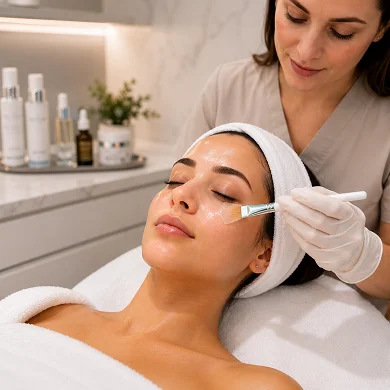
If you have been looking for a way to refresh your skin, reduce the appearance of blemishes, or turn back the clock on sun damage, you may have come across the term “chemical peel facial.” This popular dermatological treatment has been used for decades to improve skin texture, tone, and overall health. But what exactly is a chemical peel, how does it work, and is it right for you?
In this comprehensive guide, we break down everything you need to know about chemical peel facials — from their core benefits to the different types available — so you can make a truly informed decision about your skincare journey.
What is a Chemical Peel Facial?
A chemical peel facial is a professional skin treatment that uses a carefully selected chemical solution — typically an acid — to exfoliate and remove the outermost layers of the skin. As the treated skin peels away over the following days, fresher, smoother, and healthier-looking skin is revealed underneath.
Unlike standard salon facials that focus primarily on cleansing and relaxation, a chemical peel targets specific skin concerns at a cellular level. The depth of the peel and the type of acid used can be adjusted based on your individual skin type, concerns, and desired outcome.
Chemical peels are performed by trained skincare professionals, dermatologists, or aestheticians and are among the most evidence-backed, non-invasive cosmetic treatments available today.
How Does a Chemical Peel Work?
When a chemical solution is applied to the skin, it gently breaks down the bonds holding dead and damaged skin cells together. This controlled exfoliation stimulates the skin’s natural healing process, encouraging new cell turnover, collagen production, and the formation of fresh, healthy skin tissue.
Depending on the depth of the peel, the treatment may work on:
- The epidermis (outermost layer), superficial peels.
- The upper dermis (middle layer), medium-depth peels.
- The deeper dermis, deep peels.
The deeper the peel, the more dramatic the results, but also the longer the recovery time required.
Key Benefits of a Chemical Peel Facial
Smoother, Softer Skin Texture
One of the most immediate and noticeable benefits of a chemical peel is improved skin texture. By removing the buildup of dead skin cells, a peel reveals a softer, more refined surface underneath. People who struggle with rough, uneven, or dull skin often see significant improvement even after a single session.
Reduction of Fine Lines and Wrinkles
Chemical peels stimulate collagen production in the deeper layers of the skin. Collagen is the structural protein responsible for keeping skin firm, plump, and youthful-looking. As collagen levels are boosted, fine lines expression lines, and early wrinkles become visibly less pronounced over time.
Fading of Hyperpigmentation and Dark Spots
Sun spots, age spots, post-acne marks, and melasma are all forms of hyperpigmentation caused by an uneven distribution of melanin in the skin. Chemical peels help break up these pigment clusters and encourage the growth of evenly toned skin, resulting in a brighter, more uniform complexion.
Acne Control and Clearer Pores
For individuals dealing with acne-prone skin, chemical peels offer a powerful solution. Acids like salicylic acid penetrate deep into the pores to dissolve excessive oil and clearer out congestion, reducing the frequency and severity of breakouts. They also help fade post-acne scarring and discolouration left behind after blemishes heal.
Enhanced Skin Radiance and Glow
Dull, tired-looking skin is often a sign of a buildup of dead skin cells on the surface. A chemical peel sweeps away this layer to expose the fresh, luminous skin beneath. The result is a healthy, natural glow that many people find difficult to achieve through regular at-home skincare alone.
Improved Absorption of Skincare Prodcuts
After a chemical peel, your skin is in a much better position to absorb the active ingredients in your serums, moisturizers, and other skincare products. With the barrier of dead skin removed, ingredients like vitamin C, hyaluronic acid, and retinol can penetrate more effectively, enhancing your overall skincare results.
Boosted Collagen and Elastin Production
Medium and deep chemical pees, in particular, stimulate fibroblast activity in the dermis. Fibroblasts are the cells responsible for producing both collagen and elastin, the two proteins that give your skin its structure and elasticity. Regular treatments can contribute to long-term improvements in skin firmness and resilience.
Types of Chemical Peels
Superficial (Light) Chemical Peels
Superficial peels are the mildest form of chemical peel and are suitable for most skin types. They typically use mild acids such as:
Alpha-Hydroxy Acids (AHAs)
AHAs — including glycolic acid (derived from sugar cane) and lactic acid (derived from milk) — work on the surface of the skin to gently dissolve dead skin cells. They are ideal for improving skin radiance, treating mild pigmentation, and smoothing out fine lines.
Beta-Hydroxy Acids (BHAs)
Salicylic acid is the most well-known BHA. Unlike AHAs, it is oil-soluble, which means it can penetrate into the pores and is especially effective for oily, acne-prone, and congested skin types.
Who are superficial peels best for? People who are new to chemical peels, those with sensitive skin, or anyone looking for a quick, no-downtime treatment to refresh their skin.
Medium-Depth Chemical Peels
Medium peels go deeper than superficial peels, targeting both the epidermis and the upper dermis. The most commonly used acid in medium peels is:
Trichloroacetic Acid (TCA)
TCA peels are highly effective for treating moderate sun damage, deeper wrinkles, uneven pigmentation, and mild scarring. The concentration of TCA used can be varied (typically between 15% and 35%) to control the depth of the peel.
Medium peels typically involve some redness, peeling, and sensitivity for around 5 to 7 days post-treatment. They deliver more dramatic and longer-lasting results than superficial peels.
Who are medium peels best for? Individuals with moderate skin concerns such as sun damage, deeper pigmentation, early signs of ageing, or acne scarring who are willing to accept a short recovery period.
Deep Chemical Peels
Deep peels penetrate into the lower layers of the dermis and produce the most significant skin transformations. The most well-known deep peel uses:
Phenol Acid
Phenol peels are typically reserved for severe skin concerns such as deep wrinkles, extensive sun damage, and significant scarring. They require a longer recovery period — often two weeks or more — and are usually a one-time treatment due to their intensity.
Deep peels are always performed under careful professional supervision and may require pre-treatment skin conditioning over several weeks.
Who are deep peels best for? Candidates with significant skin ageing, deep wrinkles, or serious pigmentation issues who are prepared for a more intensive recovery process.
What to Expect: Before, During, and After a Chemical Peel
Before Your Treatment
Before undergoing a chemical peel, a skincare professional will conduct a thorough skin assessment to determine which type of peel is most appropriate for your skin type and concerns. You may be advised to:
- Avoid retinoids and exfoliating acids for 3–5 days prior to treatment.
- Protect your skin from sun exposure.
- Refrain from waxing or using hair removal products around the treatment area.
- Disclose any medications, skin conditions, or allergies.
During the Treatment
A typical chemical peel session lasts between 30 and 60 minutes. The process involves cleansing the skin, applying the chemical solution, monitoring the skin’s response, and then neutralizing and removing the solution. You may experience a mild tingling or warming sensation, which is completely normal.
After Your Treatment
Post-treatment care is essential for achieving the best results and minimizing any potential side effects:
- Apply SPF every day without exception.
- Keep the skin hydrated with a gentle, fragrance-free moisturizer.
- Avoid picking or peeling flaking skin manually.
- Refrain from using active skincare ingredients until the skin has healed.
- Expect mild redness, dryness, or peeling for a few days, depending on the peel depth.
Who Is a Good Candidate for a Chemical Peel Facial?
Chemical peels are suitable for a wide range of individuals, but they are particularly beneficial for those who:
- Have concerns about acne, pigmentation, fine lines, or uneven texture.
- Are looking for a non-surgical skin improvement method.
- Do not have active skin infections or open wounds.
- Are not currently pregnant or breastfeeding (certain acids are not recommended during pregnancy)
- Have realistic expectations about results.
It is always advisable to consult a qualified skincare professional before proceeding with any chemical peel treatment.
Conclusion
For a broader overview of professional facial treatments and how they can benefit your skin, visit the Best Facial Treatment, to explore expert-led skin care solutions tailored to your individual needs.
FAQs
Does a chemical peel facial hurt?
Most people describe superficial peels as a mild tingling or stinging sensation that subsides quickly. Medium peels may involve more noticeable warmth or discomfort during application, while deep peels may require anaesthesia or sedation. A cooling fan is often used during treatment to keep the skin comfortable.
How long does it take to see results from a chemical peel?
With superficial peels, many people notice improved brightness and texture within a few days once the initial peeling settles. Medium and deep peels produce more significant results, which may continue to improve over several weeks as the skin heals and collagen production increases.
Can chemical peels be done on all skin tones?
Yes, though the type and concentration of the peel must be carefully chosen. People with deeper skin tones may be at a slightly higher risk of post-inflammatory hyperpigmentation with stronger peels. A qualified professional will always assess your skin type before recommending a treatment.
Is there any downtime after a chemical peel?
Downtime varies by peel depth. Superficial peels generally require little to no downtime, with only mild flaking. Medium peels may result in visible peeling and redness for 5 to 7 days. Deep peels require a recovery period of one to two weeks and close post-treatment monitoring.
Can a chemical peel help with acne scars?
Yes. Chemical peels — particularly TCA and salicylic acid peels — can effectively reduce the appearance of superficial acne scars and post-inflammatory hyperpigmentation. For deeper, pitted scarring, a series of treatments or combination with other procedures may be recommended.
Are chemical peels safe for sensitive skin?
Superficial peels using gentle acids like lactic acid are generally well-tolerated by sensitive skin types. However, it is essential to have a patch test and a full consultation with a professional before treatment. The goal is always to choose the correct acid and concentration to avoid irritation.
Can I wear makeup after a chemical peel?
It is generally recommended to avoid makeup for at least 24 to 48 hours after a superficial peel, and longer after medium or deep peels. Allowing the skin to breathe and heal without the occlusion of makeup products helps prevent irritation and infection.
Will a chemical peel make my skin more sensitive to the sun?
Yes, temporarily. After a chemical peel, the new skin is more vulnerable to UV damage. It is critical to apply a broad-spectrum SPF 30 or higher every morning and to minimize sun exposure during the healing period to protect your results and prevent new pigmentation from forming.
How many chemical peel sessions are needed for visible results?
For superficial peels targeting mild concerns, noticeable results are often seen after 3 to 6 sessions. Medium peels may produce significant results in 1 to 2 sessions. The total number of treatments recommended will depend on your individual skin concerns, goals, and how your skin responds to treatment.