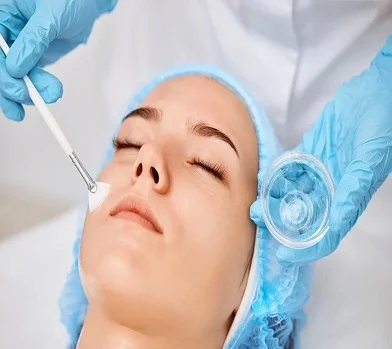
It is a burden to maintain skin bright and young in the modern, busy society. The skin gets dull due to pollution, environmental stress, and natural aging, leaving it uneven and with fine lines. In a chemical peel facial, you will find an alternative to a total invasion; a method to revive your skin, and leave it with brighter and renewed skin. Many modern skincare solutions discussed on Best Facial Treatment focus on procedures that help restore healthy and glowing skin.
What is a Chemical Peel Facial?
A chemical peel on the face is a cosmetic procedure that involves top-tier acids in peeling the skin cells on the surface. The peel promotes collagen, increases skin texture, and elevates radiance by peeling away damaged skin cells. Many skincare clinics also combine peels with treatments like LED Light Therapy Facial to further improve skin healing and collagen production.
Peels range from light to harsh and are chosen based on your goals and skin type.
Chemical Peel Facials advantage
The chemical peel facials address numerous concerns on the skin within one session. Key benefits include:
1. Brightened Complexion
Lightened Skin – the removal of dead cells results in fresh and glowing skin.
2. Reduced Fine Lines and Wrinkles
Less Wrinkles and Fine Lines – collagen stimulation makes the skin plump against the aging signs
3. Even Skin Tone
Even Skin Tone- peels reduce pigmentation spots, sun damage, and dark spots.
4. Improved Skin Texture
Better Texture of Skin: Rough or uneven skin is seen to be smoother and softer
5. Acne and Scar Management
Acne and Scar Management: Certain peels can remove superficial scars and reduce mild acne.
Types of Chemical Peels
It is important to know what kind of peel will help you achieve your objectives. The main categories are:
Superficial Peels
Light acids like glycolic or lactic acid are used to take away the surface layer of the skin, which is best used in small amounts when discoloration and dullness are desired.
Medium Peels
The trichloroacetic acid (TCA) goes deeper into the skin to address the fine lines, the age spots, and moderate tolls of the sun.
Deep Peels
Peels that are of the phenol type provide drastic rejuvenation to deep wrinkles or excessive sunburns, but with increased healing time.
The Chemical Peel Facial Process
A professional facial is carried out in several steps to secure a safe and good outcome:
1. Skin Assessment
After analyzing your type, the aesthetician chooses the right peel.
2. Cleansing
To cleanse the skin, it is completely washed to eliminate the oils, dirt and makeup.
3. Application
The chemical solution is sprayed in such a way as to target certain areas.
4. Neutralization
Depending on the peel, a neutralizer can be used to prevent the reaction.
5. Post‑Treatment Care Tips
After the peel, serums and sunscreens will keep the skin hydrated and nourished.
Post-Treatment Care Tips
Aftercare needs to be done properly to achieve the best results:
- Do not be exposed to the sun directly; use sunscreen on a daily basis.
- Steer clear of abrasive exfoliants and use gentle products.
- Use the serums or moisturizers to keep the skin hydrated.
- While medium or deep peels may take days to cure, mild peels require little recovery time.
For whom is a Chemical Peel Facial recommended?
Chemical peels are suitable for all types of skin and are particularly useful to people who want:
- Fairer, smoother, redder skin.
- Fewer wrinkles and age marks.
- Treatment of acne or post-acne scars.
- An instant skin refresh at special events.
It is best to speak with a qualified dermatologist or aesthetician to ensure that the therapy is appropriate for your skin type.
Final Thoughts
Chemical peel facial is a groundbreaking procedure that can give visible results and is the least invasive. It encourages renewal, which makes you achieve a brighter, smoother, and younger complexion.
Fighting dullness, pigmentation, or early aging, a peel could be the way to have glowing, fresh skin.