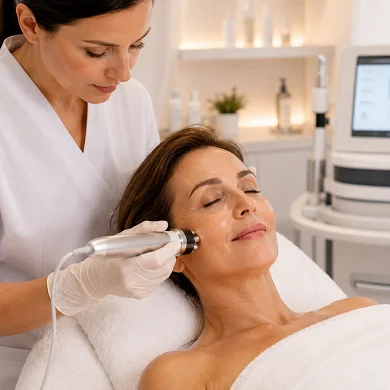
Aging is a natural and inevitable part of life — but that does not mean you have to accept every visible sign of it without question. The skin changes significantly over time: collagen production slows, cell turnover becomes less efficient, and the natural moisture barrier weakens. The result is the gradual appearance of fine lines, wrinkles, sagging, dullness, and uneven skin tone. Anti-aging facials have become one of the most sought-after professional skincare treatments for people who want to address these changes in a non-invasive, evidence-backed way. Whether you are in your thirties and looking to take a preventative approach, or in your fifties and wanting to visibly restore skin vitality, there is an anti-aging facial designed to meet your needs.
This comprehensive guide covers everything you need to know — from how anti-aging facials work to the different types available, their benefits, and what to realistically expect from treatment.
What Is an Anti-Aging Facial?
An anti-aging facial is a professional skincare treatment specifically designed to address the visible signs of skin ageing. Unlike a standard relaxation facial that focuses on cleansing and hydration, an anti-aging facial targets the underlying causes of skin ageing — including collagen loss, reduced cell turnover, free radical damage, and loss of skin elasticity.
These treatments use a combination of advanced techniques, active ingredients, and professional-grade technologies to:
- Stimulate collagen and elastin production
- Accelerate the skin’s natural renewal process
- Deeply hydrate and plump the skin
- Reduce the appearance of fine lines, wrinkles, and sagging
- Even out skin tone and restore radiance
Anti-aging facials are typically performed by qualified aestheticians or dermatologists and are tailored to the individual’s age, skin type, and specific concerns.
How Does Skin Age? Understanding the Science
To understand why anti-aging facials are effective, it helps to understand what is happening to your skin beneath the surface as it ages.
Intrinsic Aging
Intrinsic ageing is the natural, genetically determined ageing process. From our mid-twenties onwards, collagen production decreases by approximately 1% per year. Elastin fibers — responsible for the skin’s ability to snap back into place — become less flexible. Cell turnover also slows, meaning dead skin cells accumulate on the surface for longer, resulting in a dull, uneven complexion.
Extrinsic Aging
Extrinsic aging is caused by external environmental factors and is largely preventable. The primary contributors include:
UV Radiation
Ultraviolet radiation from the sun is the single biggest external contributor to skin ageing. It breaks down collagen and elastin in the dermis, causes DNA damage within skin cells, and triggers the formation of dark spots, pigmentation, and a leathery skin texture — a process known as photoaging.
Pollution and Free Radicals
Environmental pollutants generate free radicals — unstable molecules that attack healthy skin cells, degrade collagen, and accelerate the breakdown of the skin’s protective barrier.
Lifestyle Factors
Smoking, poor nutrition, inadequate hydration, lack of sleep, and chronic stress all contribute to accelerated extrinsic aging by reducing the skin’s ability to repair and regenerate itself effectively.
Key Benefits of Anti-Aging Facials
Stimulation of Collagen Production
One of the primary goals of anti-aging facial treatments is to stimulate the production of new collagen in the dermis. Collagen is the scaffolding protein that keeps skin firm, plump, and smooth. Treatments that cause controlled micro-damage or deliver targeted energy into the dermis — such as certain laser facials or micro needling — trigger the skin’s healing response and prompt fibroblast cells to produce fresh collagen.
Reduction of Fine Lines and Wrinkles
As collagen levels increase and cell turnover improves, the skin becomes plumper and more hydrated, which visibly softens the appearance of fine lines and wrinkles. Expression lines around the eyes, mouth, and forehead are among the first to respond to anti-aging treatment.
Improved Skin Firmness and Elasticity
Loss of firmness and the early signs of sagging are caused by the degradation of both collagen and elastin fibers. Anti-aging facials that stimulate the deeper layers of the skin can restore a degree of structural support, resulting in a visibly firmer, more lifted appearance over time.
Enhanced Skin Hydration and Plumpness
Mature skin loses its ability to retain moisture as efficiently as younger skin. Many anti-aging facials incorporate intensive hydration treatments using ingredients like hyaluronic acid — a molecule capable of holding many times its own weight in water — to restore suppleness, smooth surface texture, and create a more youthful, plumped appearance.
Brighter, More Even Skin Tone
Age spots, sun damage, and general dullness are all hallmarks of ageing skin. Anti-aging facials that include exfoliation and brightening actives help remove pigmented skin cells, stimulate fresh cell growth, and even out skin tone — restoring the natural luminosity that tends to diminish with age.
Antioxidant Protection Against Future Damage
Many professional anti-aging treatments include the infusion of antioxidant-rich serums — containing ingredients such as vitamin C, vitamin E, resveratrol, or niacinamide — that neutralize free radicals and help protect the skin from further environmental damage between sessions.
Types of Anti-Aging Facials
Collagen-Boosting Facials
Collagen-boosting facials are designed specifically to stimulate the production of new collagen through the use of targeted active ingredients and professional application techniques. They commonly feature growth factor serums, peptide-rich formulations, and advanced delivery methods such as sonophoresis or iontophoresis to drive these actives deeper into the skin.
These facials are suitable for individuals beginning to notice a loss of firmness or plumpness and are an excellent preventative and corrective option.
Chemical Peel Facials for Ageing Skin
Chemical peels are among the most evidence-backed treatments for addressing the visible signs of aging. By removing the outermost layers of skin, they stimulate accelerated cell turnover, encourage collagen regeneration, and reveal fresher, smoother skin underneath.
Glycolic Acid Peels
Glycolic acid peels exfoliate the surface of the skin and are particularly effective for improving skin texture, reducing fine lines, and brightening a dull complexion. They are suitable for mild to moderate ageing concerns and are a popular choice for individuals new to chemical peels.
TCA Peels
Trichloroacetic acid (TCA) peels penetrate more deeply and are better suited to moderate to advanced signs of ageing — including deeper wrinkles, significant sun damage, and loss of skin firmness. A series of TCA peels can produce dramatic, long-lasting improvements in skin quality.
Retinol Peels
Retinol (a derivative of vitamin A) is one of the most extensively studied and proven anti-aging ingredients in dermatology. Professional retinol peels accelerate cell turnover, stimulate collagen synthesis, and help fade hyperpigmentation — delivering results that go far beyond what over-the-counter retinol products can achieve.
Microdermabrasion Anti-Aging Facials
Microdermabrasion uses a fine-tipped device to physically exfoliate and resurface the outer layer of the skin. For ageing concerns, it is particularly effective at smoothing uneven skin texture, softening superficial fine lines, reducing the appearance of age spots, and improving overall skin tone and radiance.
It is a gentle, well-tolerated treatment with no downtime, making it an accessible starting point for those new to professional anti-aging treatments.
Micro needling Facials
Micro needling — also known as collagen induction therapy — uses a device with fine, sterile needles to create thousands of controlled micro-channels in the skin. These micro-injuries trigger the skin’s natural healing cascade, prompting a significant surge in collagen and elastin production.
Micro needling is particularly effective for improving skin texture, firmness, and tone, and for reducing the appearance of fine lines, wrinkles, and mild skin laxity. Results build progressively over a course of sessions and can continue to improve for several months after treatment.
LED Light Therapy Facials
LED (Light Emitting Diode) therapy uses specific wavelengths of light to target different skin concerns at a cellular level. For anti-aging purposes, red light wavelengths are most commonly used — they penetrate the dermis and stimulate mitochondrial activity within skin cells, boosting collagen production, reducing inflammation, and accelerating tissue repair.
LED facials are gentle, completely pain-free, and suitable for all skin types, including sensitive skin. They are often incorporated as a finishing step in other anti-aging facial treatments to enhance and prolong results.
Hyaluronic Acid Infusion Facials
These facials use professional-grade techniques — such as mesotherapy micro-injections or transdermal infusion devices — to deliver concentrated hyaluronic acid into the deeper layers of the skin. The result is an immediate improvement in hydration, skin plumpness, and the appearance of fine lines caused by dehydration.
Hyaluronic acid infusion facials are an excellent option for mature skin that has lost significant moisture and volume, and are often combined with other anti-aging treatments for enhanced results.
Radiofrequency (RF) Facials
Radiofrequency facials deliver controlled thermal energy deep into the dermis without damaging the surface of the skin. This heat energy stimulates immediate collagen contraction — producing a visible tightening effect — as well as longer-term collagen remodeling and new collagen synthesis over the following months.
RF facials are particularly effective for addressing skin laxity, sagging along the jawline and cheeks, and deeper wrinkles that do not respond sufficiently to surface-level treatments.
What to Expect: Before, During, and After
Before Your Anti-Aging Facial
Prior to treatment, a skincare professional will assess your skin, discuss your concerns and goals, and recommend the most appropriate treatment. You may be advised to:
- Avoid retinoids or active exfoliants for a few days before treatment
- Stay out of direct sun and avoid tanning
- Arrive with clean, make-up-free skin on the day of your appointment
- Disclose any current medications, skin conditions, or allergies
During Your Treatment
Most anti-aging facial sessions last between 45 and 90 minutes depending on the treatment type. You can expect a multi-step process that may include cleansing, exfoliation, active ingredient application, a targeted treatment phase, and a finishing mask or serum. Some treatments involve mild tingling, warmth, or pressure — but discomfort is generally minimal.
After Your Treatment
Post-treatment care is essential to protect your results:
- Use SPF 30 or higher every morning without exception
- Keep the skin well moisturized with a gentle, nourishing product
- Avoid heavy exercise, saunas, or steam rooms for 24 to 48 hours
- Do not use harsh active ingredients until the skin has fully settled
- Follow all specific aftercare guidance provided by your practitioner
How Often Should You Get an Anti-Aging Facial?
The recommended frequency varies by treatment type and individual skin needs. As a general guideline:
- Collagen-boosting and brightening facials: Every 4 to 6 weeks
- Superficial chemical peels: Every 3 to 4 weeks
- Microdermabrasion: Every 4 weeks
- Micro needling: Every 4 to 6 weeks, with a course of 3 to 6 sessions recommended
- LED therapy: Weekly or as a monthly maintenance add-on
- RF facials: Every 4 to 6 weeks for a course, then maintenance as advised
Your skincare professional will create a personalized treatment schedule based on your skin’s response and long-term goals.
Who Is a Good Candidate for Anti-Aging Facials?
Anti-aging facials are suitable for a wide range of individuals, including those who:
- Are noticing the early signs of skin ageing and want a preventative approach
- Have moderate to advanced ageing concerns they wish to address non-surgically
- Want to maintain the results of more intensive treatments between sessions
- Are committed to following aftercare and sun protection advice
There are some contraindications — including active skin infections, certain medications, and pregnancy — which a qualified professional will assess during your consultation.
To explore a full range of professional facial treatments tailored to your skin’s unique needs, visit the Best Facial Treatment and find expert-led anti-aging solutions that deliver real, lasting results.
FAQs
How long do the results of an anti-aging facials?
Results vary by treatment type. Brightening facials and peels may last 4 to 6 weeks. Collagen-stimulating treatments like microneedling or RF facials produce results that build over months and last considerably longer with regular maintenance sessions.
Can anti-aging facials replace Botox of fillers?
No, they work differently. Anti-aging facials improve skin quality, texture, tone, and hydration. Botox and fillers address muscle movement and volume loss. For many people, professional facials are a complementary option or a preferred non-injectable alternative for early aging concerns.
Are anti-aging facials suitable for sensitive skin?
Yes. Options like LED therapy, gentle collagen-boosting facials, and lactic acid peels are well-tolerated by sensitive skin types. Always inform your practitioner of your skin's sensitivity so they can choose the safest and most effective approach.
How many sessions are needed to see noticeable results?
For most treatments, noticeable improvements is seen after 3 to 6 sessions. Collagen-building treatments like microneedling and RF facials continue to improve for up to six months after a course, as new collagen develops progressively.
Is there any downtime after an anti-aging facial?
Most anti-aging facials involve little to no downtime. Superficial peels may cause mild flaking for a few days. Microneedling may result in redness and sensitivity for 24 to 48 hours. Your practitioner will advise based on the specific treatment chosen.
Can anti-aging facials help with neck and décolletage skin?
Yes. Many anti-aging treatments, including chemical peels. microneedling, RF facials, and LED therapy, can be safely extended to the neck and décolletage area, which are often early indicators of skin aging.
Do anti-aging facials hurt?
Most anti-aging facials are comfortable. Some treatment, such as microneedling or deeper peels, may cause mild tingling, warmth, or breif discomfort. A topical numbing cream is sometimes applied beforehand to keep the experience comfortable.
What skincare routine should I follow between anti-aging facial sessions?
A basic but effective routine includes a gentle cleanser, a vitamin C serum in the morning, a good moisturizer, and broad-spectrum SPF 30 or higher every day. Your practitioner may also recommend specific active ingredients such as retinol or peptides to use between sessions.
How do I choose the right anti-aging facial for my skin?
The best way is through a professional consultation. A trained aesthetician or dermatologist will assess your skin type, identify your primary concerns, and recommend a treatment or combination of treatments best suited to your age, skin condition, and lifestyle.