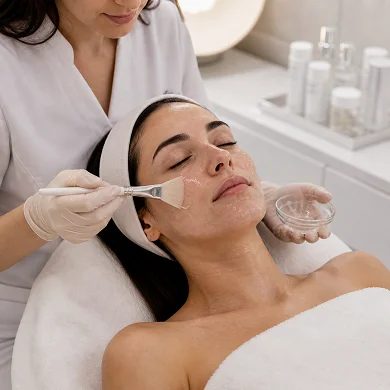
You follow a skincare routine, drink water, and get decent sleep — yet your skin still looks flat, tired, and lifeless every morning. Sound familiar?
Dull skin affects nearly everyone at some point, and it’s rarely about what you’re doing wrong. It’s about what’s happening beneath the surface — at the cellular level — that no amount of generic moisturizer can fix.
Best Facial for Dull Skin
The best facial for dull skin is a professional brightening facial using AHAs and Vitamin C — because it directly targets dead keratinocyte buildup, melanin overproduction, and oxidative stress simultaneously.
- Best overall: Brightening facial
- Faster results: Oxygen facial
- Best for sensitive skin: Fruit-based facial
If you want to know how to brighten dull skin effectively, combining professional facials with the right home routine delivers the most lasting results.
Dull skin isn’t a skin type — it’s a biological signal. When your skin’s desquamation cycle slows, moisture levels drop, or accumulated free radical damage disrupts your stratum corneum, light scatters unevenly, and your complexion loses its natural glow.
The right facial for dull skin doesn’t just add temporary surface radiance. It addresses the root biological causes – accelerating keratinocyte turnover, neutralizing free radicals, restoring moisture through lipid barrier repair, and producing the smooth, even surface that reflects light uniformly for genuine, lasting radiance.
What Causes Dull Skin?
Dull Skin results from one or more of these clinically identified biological mechanisms:
Dead Keratinocyte Accumulation
The skin naturally sheds dead keratinocytes through desquamation. When this process slows — due to age, dehydration, or environmental stress — dead cells pile up on the stratum corneum surface, scattering light unevenly and producing a flat, lifeless appearance.
This is the single most common cause of dull skin — and the most directly addressed by professional exfoliating treatments.
Dehydration and Elevated TEWL
When the lipid barrier is compromised, transepidermal water loss (TEWL) increases. Dehydrated keratinocytes lose volume, creating a rough, uneven surface that cannot reflect light smoothly, which is why dehydrated skin looks the same regardless of how much moisturizer is applied topically.
Melanin Overproduction and Hyperpigmentation
UV exposure, hormonal changes, and post-inflammatory responses trigger excess melanin production in melanocytes. Uneven melanin distribution creates dark patches and uneven tone that significantly reduce overall skin luminosity.
Free Radical Damage and Oxidative Stress
Environmental aggressors — UV radiation, pollution, and cigarette smoke — generate free radicals that trigger oxidative stress in skin cells. This damages fibroblasts, degrades collagen synthesis, and produces a sallow, grey complexion over time.
Poor Microcirculation
Reduced blood flow to the skin’s surface means less oxygen and fewer nutrients reaching keratinocytes, producing a tired, flat complexion even in otherwise healthy skin.
Disrupted Skin Microbiome
An imbalanced skin microbiome contributes to low-grade inflammatory cytokine activity that impairs the skin’s natural renewal processes and dulls the complexion progressively.
Dull skin causes at a glance:
| Cause | Biological Mechanism | Visual Result |
| Dead keratinocyte buildup | Slowed desquamation | Flat, rough, uneven texture |
| Dehydration | Elevated TEWL | Tight, dull, lackluster skin |
| Hyperpigmentation | Excess melanin production | Dark patches, uneven tone |
| Free radical damage | Oxidative stress on fibroblasts | Sallow, grey complexion |
| Poor Circulation | Reduced oxygen to keratinocytes | Tired. Flat appearance |
| Microbiome imbalance | Low-grade inflammation | Persistent dullness |
Importance of Brightening Facials
Professional brightening facials address dull skin at its biological source, not just at the surface.
They:
- Accelerate desquamation to clear dead keratinocyte buildup.
- Neutralize free radicals to reverse oxidative stress damage.
- Inhibit excess melanin production to even skin tone.
- Stimulate collagen synthesis in fibroblasts to restore structural luminosity.
No at-home product delivers these mechanisms simultaneously at clinical concentration, which is why professional treatment produces measurably superior radiance results.
Best Facial for Dull Skin: Top Brightening Treatments
Brightening Facial
A brightening facial is designed to improve dull skin by targeting the main causes, like dead skin buildup, uneven tone, and environmental damage.
How it works:
- Uses gentle acids like glycolic or lactic acid to remove dead skin cells and improve skin renewal
- Applies Vitamin C to brighten skin, reduce dark spots, and support collagen
- Uses ingredients like kojic acid or alpha arbutin to help even out skin tone
- Adds niacinamide to calm skin, reduce uneven pigmentation, and strengthen the skin barrier
- Finishes with moisturizer and SPF to protect fresh skin
Benefits:
- Brighter and smoother skin
- More even skin tone
- Reduced dark spots and dullness
- Improved natural glow
Best for: Dull skin, uneven tone, sun damage, and pigmentation concerns.
Oxygen Facial
An oxygen facial is a fast-acting treatment that gives the skin an instant glow by delivering oxygen and nutrients directly into the skin.
How it works:
- Infuses oxygen with vitamins, antioxidants, and hyaluronic acid
- Improves skin cell energy and natural renewal
- Boosts blood flow for a healthier glow
- Deeply hydrates and plumps the skin
- Helps reduce damage caused by pollution and stress
Benefits:
- Instant glow after one session
- Deep hydration and plumper skin
- Brighter and fresher appearance
- No downtime or irritation
Best for: Tired, dull skin or a quick glow before an event.
Fruit-Based Facial
A fruit-based facial uses natural fruit enzymes and vitamins to gently brighten and refresh the skin.
How it works:
- Papaya enzymes gently remove dead skin cells
- Pineapple enzymes help smooth and soften skin
- Citrus fruits provide Vitamin C for brightness
- Tomato extract protects skin from damage
- Grape extract helps support skin repair and glow
Benefits:
- Gentle exfoliation with no harsh chemicals
- Brighter and smoother skin
- Improved skin texture
- Suitable for sensitive skin
Best for: Sensitive skin or those who prefer natural treatments.
Results Timeline of Brightening Facials
| Facial Type | After 1 session | After Multiple Sessions | Long-term Benefit |
| Brightening Facial | Noticeable improvement in skin texture and surface radiance. | After 3 sessions (12-18 weeks): measurable reduction in hyperpigmentation. | After 6 sessions (24-36 weeks): significant, sustained improvement in luminosity and even skin tone. |
| Oxygen Facial | Immediate visible glow and plumper-looking skin right after treatment. | With regular sessions, improved microcirculation and enhanced skin vitality over time. | Best for maintaining consistent radiance and reducing fatigue-related dullness. |
| Fruit-based Facial | Softer skin texture with mild natural brightening. | After 3-4 sessions: improved tone evenness and smoother appearance. | Best maintained with monthly sessions plus an antioxidant-rich diet for long-term glow support. |
What to Expect During a Brightening Facial
Duration: 60–90 minutes typically
Step-by-step process:
- Double cleanse — removes surface debris and sebum
- Skin analysis — esthetician identifies specific dullness causes
- Exfoliation — AHA or enzyme application (10–15 minutes)
- Extraction (if needed) — clears congested pores
- Treatment serum application — Vitamin C, niacinamide, or kojic acid
- Mask — brightening or hydrating mask (15–20 minutes)
- Moisturizer + SPF — protection for freshly treated skin
Aftercare:
- Avoid direct sun exposure for 48 hours
- Skip retinol and AHAs at home for 2–3 days post-treatment
- Use gentle, fragrance-free products for the first 48 hours
- Apply SPF 50 diligently
Which Facial is Best for Your Dull Skin?
| Facial Type | Best for | Key Mechanism | Downtime |
| Brightening Facial | Hyperpigmentation, uneven tone, sun damage | AHAs + Vitamin C + melanin inhibitors | Mild redness 24 hours |
| Oxygen Facial | Instant glow, all skin types, pre-event | Pressurized oxygen + antioxidant infusion | None |
| Fruit-based Facial | Sensitive dull skin, gentle brightening | Fruit enzymes + natural antioxidants | None |
How Often Should You Get a Facial for Dull Skin?
Consistency is key for long-term improvement. Skin naturally renews itself approximately every 28 days, so treatments should align with this cycle.
Recommended frequency:
- Mild dullness: every 4–6 weeks
- Uneven tone: every 3–4 weeks
- Severe dullness: every 3 weeks initially
Regular sessions help maintain brightness and prevent buildup of dead skin cells.
Tips for Radiant Skin
Lifestyle Adjustments
These evidence-based lifestyle adjustments directly impact skin luminosity at a cellular level:
- Sleep Collagen synthesis in fibroblasts peaks during deep sleep cycles. Chronic sleep deprivation reduces cellular repair and impairs desquamation — directly causing dull, fatigued skin. Aim for 7 to 9 hours consistently.
- Hydration: Systemic dehydration reduces aquaporin channel activity in keratinocytes — impairing cellular water transport and producing visibly dull, flat skin. Drink a minimum of 8 glasses of water daily to support keratinocyte hydration from within.
- Diet and Antioxidants: A diet rich in Vitamin C, Vitamin E, lycopene, and polyphenols reduces systemic oxidative stress that manifests as skin dullness. Foods including citrus fruits, berries, tomatoes, leafy greens, and green tea directly support skin luminosity at a cellular level.
- Sun Protection: UV radiation is the single largest driver of melanin overproduction and free radical damage, causing dull skin. Daily broad-spectrum SPF 30 or higher is the most evidence-supported intervention for maintaining long-term radiance.
- Exercise: Regular exercise increases cardiovascular circulation — delivering more oxygen and nutrients to keratinocytes and fibroblasts. Improved microcirculation from regular exercise produces a measurable improvement in skin luminosity over time.
Who Should Not Approach Brightening Facials with Caution
- Active acne or open wounds — AHAs can irritate compromised skin
- Recent sunburn — wait until skin has fully healed
- Pregnant or nursing — some ingredients (retinol, high-concentration salicylic acid) are contraindicated
- Rosacea or eczema flare-ups — chemical exfoliation can trigger an inflammatory response
- Recent chemical peel or laser treatment — wait 4–6 weeks before additional exfoliation
Always consult your esthetician or dermatologist before treatment if you have any active skin condition or are on prescription skincare.
Skincar Routine for Dull Skin
Morning Routine:
- Gentle sulfate-free foaming cleanser.
- Niacinamide toner — reduces melanin transfer, strengthens lipid barrier.
- Vitamin C serum (L-ascorbic acid 10–15%) — neutralizes free radicals, stimulates collagen synthesis.
- Lightweight ceramide moisturizer — restores lipid barrier, reduces TEWL.
- Broad-spectrum SPF 30+ — prevents melanin overproduction and oxidative stress.
Evening Routine:
- Micellar water — removes daily pollution and sebum.
- Gentle foaming cleanser — double cleanse.
- AHA toner 2 to 3 times weekly — glycolic or lactic acid accelerates desquamation.
- Retinol serum (0.3–0.5%) — stimulates fibroblast activity and collagen synthesis overnight.
- Rich ceramide moisturizer with peptides and squalane — repairs lipid barrier during overnight renewal.
Key Brightening Ingredients to Prioritize:
- Vitamin C — neutralizes free radicals, inhibits melanin overproduction
- Niacinamide — reduces melanin transfer, strengthens lipid barrier
- AHAs — accelerate desquamation and keratinocyte turnover
- Retinol — stimulates fibroblast activity and collagen synthesis
- Alpha arbutin — gently inhibits tyrosinase to reduce hyperpigmentation
- SPF — prevents further melanin overproduction and oxidative stress
Ingredients to avoid:
- Heavy mineral oils and occlusive butters — trap dead keratinocytes on the surface.
- Alcohol-based toners strip the lipid barrier and increase TEWL.
- Fragrance — triggers an inflammatory cytokine response that impairs skin renewal.
Conclusion
Dull skin is a biological condition, driven by slowed desquamation, elevated TEWL, melanin overproduction, and accumulated free radical damage. The right facial for dull skin addresses all of these mechanisms simultaneously, not just the surface appearance.
Key Takeaways:
- Dull skin has multiple biological causes; identify yours before choosing a treatment.
- A brightening facial every 4 to 6 weeks produces compounding radiance improvement.
- An oxygen facial is the fastest single-session solution for an immediate glow.
- Daily SPF is the single most important lifestyle intervention for long-term skin brightness.
- Vitamin C in the morning and AHAs in the evening are the two most impactful home care additions.
- Consistent hydration, both topical and internal, directly improves your skin’s light-reflecting capacity.
Ready to restore your skin’s natural radiance? Browse our complete expert guides at Best Facial Treatment, or read our ultimate guide to the best facial treatments to find the right brightening treatment for your skin today.
FAQs
What caused dull skin?
Slowed desquamation, elevated TEWL, excess melanin production, free radical damage, poor microcirculation, and a disputed skin microbiome, usually in combination.
How often should I get a facial for dull skin?
Every 4 to 6 weeks, aligned with the skin's natural 28-day desquamation cycle.
Can a single facial permanently fix dull skin?
No, one session produces immediate improvement, but lasting radiance requires consistent professional treatment every 4 to 6 weeks, combined with a targeted home routine.
Is an oxygen facial for good for dull skin?
Yes, it delivers pressurized oxygen and concentrated antioxidants directly into the epidermis, boosting microcirculation and producing visible radiance in one session with zero downtime.
What ingredients brighten dull skin most effectively?
Vitamin C, AHAs, niacinamide, and retinol, each targeting a different biological cause of dullness simultaneously.
Does diet affect skin dullness?
Yes, antioxidant-rich foods like citrus, berries, tomatoes, and green tea reduce systemic oxidative stress that directly causes dull skin.
What is the fastest way to fix dull skin?
An oxygen facial delivers instant radiance in one session with zero downtime. Combined with daily Vitamin C serum and SPF at home for sustained results.
Is a brightening facial the same as a whitening facial?
No. A brightening facial restores your skin's natural glow by removing dead skin cells, reducing oxidative stress, and improving uneven tone. It enhances radiance but does not change your natural skin color or lighten your skin.
Can men get brightening facials?
Yes, men can get brightening facials. They help remove dead skin buildup, improve uneven tone, and restore natural skin glow regardless of gender.