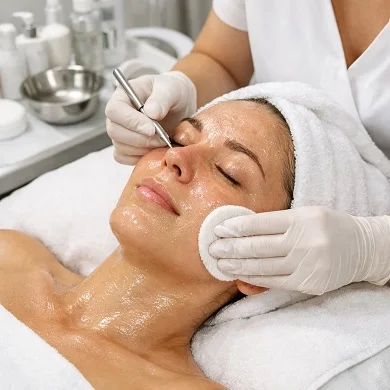
Have you ever left a facial feeling like your skin looked the same or worse? That’s what happens when a facial treatment for skin type compatibility gets ignored.
Your skin type is the single most important factor in determining which facial will actually deliver results. And yet most people choose a facial based on what sounds appealing, what’s trending, or what’s on promotion — without ever stopping to ask whether it matches their skin. This guide fixes that.
Oily, dry, sensitive, combination — whatever your skin type, there’s a facial treatment built specifically for it. And in this guide, you’ll find exactly what that is. No, guesswork, no generic advice — just a straightforward breakdown of the best facial treatments for every skin type, complete with practical tips, ingredient guidance, and real expert advice to help you make the right call every single time.
Introduction to Skin-Type Specific Facial Treatments
Importance of Skin-Type Specific Facials
Think about it this way — wrong facial, wrong results. It really is that simple. A deep cleansing facial designed to strip excess oil from oily skin can be genuinely damaging to dry or sensitive skin. And a rich, occlusive hydrating facial that’s perfect for dry skin can clog pores and trigger breakouts on oily skin.
Skin-type specific facial products are effective because they’re designed around what your skin truly needs. Instead of using a one-size-fits-all approach, the products, techniques, and even the pressure used during the treatment are carefully chosen to support your skin — not work against it. This personalized approach helps your skin respond better, reduces the chances of irritation, and delivers results that are not only noticeable but longer-lasting.
Quick Guide to Identifying Your Skin Type
Before anything else, do you actually know your skin type? A lot of people think they do, but get it wrong.
Start by washing your face with a gentle cleanser, then gently pat it dry. After that, wait about 30 minutes without applying any products. This allows your skin to return to its natural state, making it easier to see how it behaves on its own.
Then observe:
- Oily skin — your face tends to look shiny and may feel greasy, especially around the forehead, nose, and chin.
- Dry skin — your skin often feels tight, appears dull, and may have flaky or rough areas.
- Combination skin — your T-zone (forehead, nose, and chin) is oily, while your cheeks feel normal or dry.
- Sensitive skin — your skin may look red, feel easily irritated, sting, or react quickly to new products.
- Normal skin — your skin feels balanced, with little shine, no tightness, and only occasional breakouts — lucky you.
If you’re still not sure, a licensed esthetician can help determine your skin type during a consultation before your facial. Getting professional guidance can make it easier to choose the treatment that’s best for your skin.
Facial Treatments for Oily Skin
If you’ve ever blotted your face an hour after washing it and still come away with a greasy sheet – you know the struggle. A facial for oily skin is designed to work with your skin’s natural balance. Helping control excess oil without irritating or rebound greasiness.
Common Oily Skin Issues
Oily skin comes with a very specific set of daily frustrations. Sound familiar?
- Enlarged or visibly clogged pores
- Persistent blackheads and whiteheads
- Frequent breakouts and acne flare-ups
- A shiny complexion that returns within hours of cleansing
- Makeup that doesn’t stay put during the day
- Skin that feels heavy or congested
These problems aren’t just about appearance — they happen because your skin produces extra oil, and your pores need regular care to stay clear and balanced.
Recommended Facial Treatments for Oily Skin
Deep Cleansing Facial
This is the go-to facial for oily skin and acne-prone skin. A deep cleansing facial starts with steam to open up your pores, then a professiona extraction removes blackheads, whiteheads, and buildup that regular washing can’t touch. It finishes with a clay or charcoal mask that soaks up extra oil and makes pores look tighter.
When done every 4 to 6 weeks, deep cleansing facials help keep oily skin truly clear — not just temporarily clean. For more tips on acne-focused treatments, check out our guide on the best facial for acne.
Salicylic Acid Facial
Salicylic acid is a type of BHA (beta-hydroxy acid) that can dissolve oil and debris deep inside your pores. A salicylic acid facial is one of the most effective treatments for oily and acne-prone skin because it works deeper than just washing your face.
It also helps reduce inflammation, so it not only prevents breakouts but also calms existing ones. If you often deal with acne flare-ups, this facial is definitely worth considering.
Clay Mask Facial
Clay has been used in skincare for centuries, and for good reason. A clay facial helps pull out impurities, toxins, and extra oil from your pores. Professional treatments usually use kaolin or bentonite clay, which are great for reducing shine and making pores look smaller — all without drying out your skin.
Tips for Managing Oily Skin Between Facials
Here’s how to care for oily skin:
- Wash your face twice a day with a gentle, sulfate-free foaming cleanser — avoid harsh soaps that dry out your skin.
- Apply a lightweight, oil-free moisturizer daily — skipping it can actually make your skin produce more oil.
- Use blotting papers throughout the day instead of washing your face repeatedly.
- Get a professional facial every 4 weeks — oily skin responds best to more frequent treatments.
For a detailed guide on the best treatments for oily skin, check out our dedicated article on facial treatments for this skin type.
Facial Treatments for Dry Skin
Dry skin is more than just a feeling of tightness — it’s your skin telling you its barrier is struggling. The right facial for dry skin doesn’t just give a quick boost of hydration; it helps repair and strengthen your skin so it stays moisturized long after the treatment.
Signs of Dry Skin
Dry skin can look and feel different for everyone, but common signs include:
- A constant tight or uncomfortable feeling, especially after washing your face
- Flaky, peeling, or rough patches, often on the cheeks, around the nose, or chin
- A dull complexion that doesn’t respond well to regular moisturizers
- Fine lines that seem more noticeable than usual
- Skin that feels rough and looks flat instead of plump
It’s important to know that dry skin and dehydrated skin aren’t the same. Dry skin is a skin type — it’s lacking oil. Dehydrated skin is a condition — it’s lacking water. Both benefit from hydrating facials, but the ingredients and approach may vary slightly.
Why Hydration is Critical for Dry Skin
If dry skin isn’t treated, the effects go beyond just feeling uncomfortable. When the moisture barrier is weak, irritants, pollution, and bacteria can get in more easily, making your skin more sensitive and prone to inflammation. Over time, chronically dry skin can age faster, since collagen breaks down more quickly without enough hydration.
Regular hydrating facials help restore and strengthen your skin’s natural barrier, making them one of the most effective treatments — not just a pampering experience.
Recommended Facial Treatments for Dry Skin
Hydrating Facial
A professional hydrating facial is the most direct and effective treatment for dry skin. These facials use powerful ingredients like high-concentration hyaluronic acid serums, ceramide-rich masks, and nourishing oils to deeply hydrate your skin — from the surface all the way down to the deeper layers where long-term moisture is stored.
The HydraFacial is a standout treatment in this category, combining gentle exfoliation with a potent serum infusion for results that you can see right away and enjoy for weeks. Explore all the top options in our complete facial for dry skin guide.
Nutrient-Rich Facial
Some dry skin needs more than just hydration — it also needs nourishment. Nutrient-rich facials deliver concentrated vitamins, antioxidants, and essential fatty acids straight to your skin through serums and masks. Ingredients like Vitamin E, rosehip oil, squalane, and niacinamide help feed your skin’s cells and restore softness and suppleness from within.
Moisturizing Mask Treatment
A professional moisturizing mask locks in hydration using special ingredients that form a protective layer on your skin while delivering nourishing compounds. Compared to at-home sheet masks, these professional treatments have much higher concentrations of active ingredients, giving results that last longer and feel more effective.
Tips for Maintaining Hydration Between Facials
Here’s how to keep dry skin happy and hydrated:
- Apply a rich, fragrance-free moisturizer within a minute of washing your face — your skin absorbs it best then.
- Use a humidifier in your bedroom during dry or cold months to help your skin stay hydrated overnight.
- Drink plenty of water daily — internal hydration shows on your skin.
- Avoid hot showers and harsh cleansers, which can quickly strip your skin of natural oils.
- Schedule a hydrating facial every 3 to 4 weeks during dry seasons to maintain consistent moisture.
Facial Treatments for Sensitive Skin
Sensitive skin doesn’t play by the same rules — and honestly, it shouldn’t have to. Using the wrong product, technique, or ingredient can cause redness, stinging, rashes, or lingering irritation — sometimes for days. But with the right treatment, people with sensitive skin can still enjoy all the benefits of professional facials. It just means the selection process matters more.
Understanding Sensitive Skin
Sensitive skin reacts more easily to things like skincare products, temperature changes, environmental factors, and even stress. Signs of sensitive skin include:
- Persistent redness or flushing, especially on the cheeks and nose
- Stinging or burning when applying skincare products
- Visible broken capillaries or rosacea-like symptoms
- Frequent reactions to fragrances, dyes, or alcohol-based products
- Skin that takes longer than usual to calm down after irritation
Sensitive skin can appear with any skin type — you might have oily-sensitive skin or dry-sensitive skin. Sensitivity is an extra layer of reactivity, not a separate skin type on its own.
Common Triggers to Avoid
For sensitive skin, avoiding certain triggers is just as important as choosing the right products:
- Fragrance — a common irritant in both skincare and professional treatments
- Alcohol-based products — can strip the skin’s barrier and cause reactions
- Harsh physical exfoliants — microdermabrasion or coarse scrubs may create micro-tears and inflammation
- Strong chemical exfoliants — high-concentration AHAs and BHAs are usually too harsh
- Steam — too much steam can worsen redness and rosacea
- Essential oils — even natural oils can irritate reactive skin
Recommended Facial Treatments for Sensitive Skin
Calming Facial
A calming facial is made to soothe sensitive, reactive skin by reducing inflammation and redness while restoring balance. These treatments use gentle, anti-inflammatory ingredients like aloe vera, centella asiatica (cica), green tea extract, and chamomile — all known for their calming effects without causing irritation.
The techniques are gentle too, with light massage pressure, cooler water, and no extractions unless absolutely needed. The aim is to leave your skin feeling calm, comfortable, and cared for.
Hypoallergenic Facial
For skin that’s extremely sensitive or prone to allergies, a hypoallergenic facial uses only fragrance-free, dye-free, and dermatologist-tested products. Every product is chosen to minimize the risk of a reaction.
A patch test is usually done before the facial — a small amount of each product is applied to your inner arm or behind your ear 24 to 48 hours before the treatment. If you have sensitive skin, it’s always a good idea to ask for this step, even if it’s not offered automatically.
LED Light Therapy Facial
LED light therapy is a gentle yet highly effective option for sensitive skin. Red LED light, in particular, helps reduce inflammation, speeds up healing, and boosts collagen — all without touching the skin. There’s no exfoliation, no extractions, and no harsh ingredients involved, making it perfect for skin that reacts easily to most standard treatments.
Tips for Sensitive Skin Care
Here are some tips for caring for sensitive skin:
- Tell your esthetician about every product you use at home — some combinations can cause unexpected reactions.
- Avoid scheduling facials right before important events — give your skin at least 72 hours to calm down after a treatment.
- Between sessions, stick to fragrance-free, simple products with minimal ingredients to keep your skin calm and balanced.
For a full guide to the safest and most effective options, read our complete article on facial for sensitive skin.
Facial Treatments for Combination Skin
Combination skin is genuinely tricky — and if you have it, you already know why. You’re basically managing two different skin personalities on the same face. The T-zone is oily and prone to congestion, while the cheeks are normal or dry and need gentler care. Getting the balance right requires a more nuanced approach than any single-skin-type facial can offer.
Understanding Combination Skin
If your forehead, nose, and chin feel greasy by midday while your cheeks feel fine or slightly tight, you have combination skin. Other telltale signs include:
- Blackheads and enlarged pores primarily in the T-zone
- Occasional breakouts on the forehead and nose, but rarely on the cheeks
- Cheeks that feel comfortable or slightly dry, especially after cleansing
- Foundation that looks oily in the center of the face, but fine or patchy on the cheeks
The challenge with combination skin is that treating the oily T-zone aggressively often dries out the cheeks, while focusing on hydration for the cheeks can make the T-zone worse. The solution is a targeted, zone-based treatment approach.
Recommended Facial Treatments for Combination Skin
Balanced Facial for Combination Skin
A balanced facial for combination skin uses different products and techniques on different areas of the face within the same treatment session. The T-zone receives a deeper cleanse, targeted exfoliation, and possibly light extraction, while the cheeks receive a gentler cleanse followed by hydrating serums and a nourishing mask.
This dual-zone approach is something a skilled professional esthetician can deliver effectively — and it’s the reason professional facials for combination skin consistently outperform at-home treatments, which typically apply the same product across the entire face.
Targeted T-Zone Treatments
Some combination skin clients benefit from a targeted T-zone treatment as part of their regular facial rotation. This involves a more focused, deep cleanse and oil-control treatment applied specifically to the forehead, nose, and chin — without disturbing the balance of the drier cheek area.
Clay masks and salicylic acid treatments work especially well on the T-zone for this purpose, while a hydrating serum or sheet mask can be applied simultaneously to the cheeks. It’s a multi-tasking approach that addresses both concerns in a single session.
Tips for Maintaining Healthy Combination Skin
- Use two different moisturizers if needed — a lightweight gel formula on the T-zone and a richer cream on the cheeks
- Don’t skip moisturizer on the T-zone — depriving oily areas of moisture increases sebum production
- Exfoliate the T-zone 1 to 2 times per week at home with a gentle BHA toner
- Adjust your facial frequency seasonally — combination skin often gets oilier in summer and drier in winter
For specific product and treatment recommendations, explore our full guide on facial care for combination skin.
How to Switch Facials Based on Seasons
Your skin doesn’t stay the same year-round — so why should your facial? Your skin type can shift with the seasons, and your facial treatment should shift with it.
- Winter — even oily skin can become dehydrated in cold, dry air. Consider adding a hydrating element to your regular treatment during colder months
- Summer — dry skin types often produce slightly more oil in humid heat. A lighter, more balanced facial may work better than a deeply occlusive hydrating treatment
- Monsoon/Rainy season — increased humidity can trigger congestion and breakouts even in normally dry skin types. A gentle cleansing facial helps manage this seasonal shift
- Spring and Fall — transitional seasons where your skin is adjusting; a balanced facial that addresses both hydration and clarification works well
The key principle is to reassess your skin every season and communicate any changes to your esthetician before your treatment. For detailed seasonal recommendations, read our seasonal facial guide.
Conclusion and Expert Tips for Every Skin Type
After everything we’ve covered, the answer really does come down to one thing: knowing your skin and choosing accordingly. It’s not about finding the most advanced treatment or the most popular option on the menu — it’s about finding the one that speaks directly to what your skin actually needs.
Here’s a quick recap of everything we covered:
- Oily skin responds best to deep cleansing facials, salicylic acid treatments, and clay-based masks that regulate sebum and keep pores clear
- Dry skin benefits most from hydrating facials, nutrient-rich treatments, and moisturizing masks that rebuild and strengthen the moisture barrier
- Sensitive skin needs calming, hypoallergenic treatments with gentle techniques and anti-inflammatory ingredients — and always a patch test first
- Combination skin requires a zone-based approach that addresses the T-zone and cheeks differently within the same session
- All skin types benefit from seasonal adjustments and consistent professional treatment every 4 to 6 weeks
The most important step you can take right now is to accurately identify your skin type, book a consultation with a licensed esthetician, and commit to a regular treatment schedule that supports your skin’s specific needs.
Want to explore your options further? Read our Ultimate Guide to the Best Facial Treatments for a complete overview of the top-recommended professional treatments available today — or browse our complete guide to types of facial treatments to understand exactly how each facial category works before you book.
Your skin is worth the investment — and now you have everything you need to make the right choice.
Can the wrong facial make my skin worse?
Yes — absolutely. A harsh exfoliating facial on sensitive skin can cause barrier damage, while an occlusive hydrating facial on oily skin can trigger breakouts. Always match your facial to your skin type.
How often should I get a facial for my skin type?
Oily skin — every 3 to 4 weeks. Dry and sensitive skin — every 4 to 6 weeks. Combination skin — every 4 weeks. Read our full guide on how often to get a facial for more details.
Can facials worsen existing skin concerns?
Yes — if the wrong treatment is chosen or aftercare is skipped. Always follow your esthetician's pre and post-care instructions for safe, effective results.
Is one facial enough to see results?
One session brings immediate improvement — cleaner pores, smoother texture, better hydration. Lasting results require consistent sessions over several weeks.
Can facials change my skin type?
No — genetics determine your skin type. But consistent targeted facials can dramatically improve how your skin behaves over time.
What ingredients should I avoid based on my skin type?
Oily skin — heavy oils and pore-blocking butters. Dry skin — alcohol-based products. Sensitive skin — fragrance and essential oils. Combination skin — anything too rich on the T-zone.
Should I tell my esthetician about my skincare routine?
Yes — always. Active ingredients like retinol or AHAs can make your skin more sensitive to certain treatments. Sharing your routine helps your esthetician choose the safest option.
Can I get a facial with active breakouts?
Yes — with the right treatment. A professional deep-cleansing or salicylic acid facial can help calm active breakouts. Avoid aggressive exfoliation on severely inflamed acne.
Does skin type change with age?
Yes — oily teenage skin often becomes drier with age. Hormonal shifts during pregnancy or menopause can also change your skin's behavior. Reassess your skin type every few years.