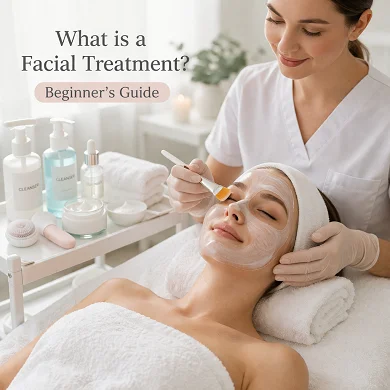
If you’re new to skincare, you may be wondering what is a facial treatment and why it’s so popular. A facial treatment is a professional skincare treatment designed to cleanse, exfoliate, hydrate, and rejuvenate your skin. These treatments help improve skin texture, remove impurities, and enhance your natural glow.
Whether you struggle with acne, dryness, dullness, or simply want healthier-looking skin, understanding what is a facial treatment can help you make better skincare decisions. This beginner-friendly guide explains everything—from facial definition and facial steps to skin care benefits and who should consider getting one.
Introduction to Facial Treatments
Facial treatments are one of the most popular skincare services offered by spas, salons, and dermatology clinics. These treatments combine professional-grade products with expert techniques to improve skin health.
What is a facial treatment?
A facial treatment is a multi-step skincare treatment that cleanses, exfoliates, nourishes, and hydrates the skin. Most facial treatments follow a structured facial process designed to improve skin health and appearance.
A typical facial treatment includes:
- Cleansing
- Exfoliation
- Massage
- Mask application
- Moisturizing
These facial steps work together to remove dead skin cells, unclog pores, and boost skin hydration.
Skin care benefits of facial treatments
Facial treatments offer many benefits, including:
- Deep cleansing of pores
- Improved skin texture
- Hydrated and glowing skin
- Reduced acne and breakouts
- Improved blood circulation
- Anti-aging benefits
Facials can also be customized based on your skin type, making them suitable for nearly everyone.
If you’re new to facials, you may want to explore our related guide:
Best Facial Treatment for: Ultimate Guide to the Best Facial Treatment for Healthy, Glowing Skin
History and evolution of facials
Facial treatments have existed for thousands of years. Ancient civilizations developed skincare rituals using natural ingredients.
Ancient Egypt
Egyptians used:
- Milk baths
- Honey masks
- Essential oils
Cleopatra famously used milk-based skincare for glowing skin.
Ancient Greece and Rome
Greek and Roman women used:
- Olive oil
- Herbal masks
- Clay treatments
These early skincare methods laid the foundation for modern facial treatments.
Modern facial treatments
Today, facial treatments include advanced techniques like:
- LED light therapy
- Microdermabrasion
- Chemical peels
- Hydrafacial
- Oxygen facial
Modern technology allows deeper skin rejuvenation and faster results.
Steps Involved in a Facial
Understanding the facial process helps beginners know what to expect. Most facial treatments follow a standard set of facial steps.
Cleansing
Cleansing is the first step in a facial treatment. It removes dirt, oil, makeup, and impurities.
Benefits of cleansing:
- Prepares skin for treatment
- Removes impurities
- Prevents clogged pores
- Refreshes skin
Professionals often use double cleansing for deeper cleaning.
Exfoliation
Exfoliation removes dead skin cells and improves skin texture.
Types of exfoliation:
Physical exfoliation
- Scrubs
- Brushes
- Microdermabrasion
Chemical exfoliation
- AHA
- BHA
- Enzyme peels
Benefits of exfoliation:
- Brighter skin
- Reduced blackheads
- Smoother texture
- Improved absorption of skincare products
Massage
Facial massage improves blood circulation and relaxes facial muscles.
Benefits of facial massage:
- Improves circulation
- Reduces puffiness
- Enhances glow
- Relieves stress
Popular massage techniques:
- Lymphatic drainage
- Pressure point massage
- Anti-aging massage
Mask application
A facial mask is applied after a massage. The mask is selected based on your skin type.
Common facial masks:
- Clay masks
- Hydrating masks
- Gel masks
- Anti-aging masks
Benefits:
- Deep hydration
- Oil control
- Skin soothing
- Brightening
Moisturizing
Moisturizing is the final step of the facial process.
This step includes:
- Serum
- Moisturizer
- Sunscreen
Benefits:
- Locks in hydration
- Protects the skin barrier
- Maintains glow
Who Can Benefit from Facial Treatments?
Facial treatments are beneficial for all skin types and age groups.
Skin types
Different skin types benefit from different facial treatments.
Oily skin
- Deep cleansing facials
- Oil control treatments
Dry skin
- Hydrating facials
- Nourishing treatments
Combination skin
- Customized facials
Sensitive skin
- Gentle facials
Acne-prone skin
- Anti-acne facials
Age groups
Facial treatments are suitable for all ages.
Teenagers
- Acne prevention
- Oil control
Young adults
- Maintenance facials
- Hydration
Adults
- Anti-aging treatments
- Skin repair
Mature skin
- Firming facials
- Wrinkle reduction
Conclusion and Tips for Beginners
Now that you understand what is a facial treatment, you can see why it’s an essential part of skincare. Facial treatments help cleanse, hydrate, and rejuvenate your skin while addressing specific skin concerns.
Beginner Tips
- Start with basic facial treatments
- Know your skin type
- Avoid harsh treatments initially
- Follow post-facial care instructions
- Stay consistent
Facial treatments provide long-term skin care benefits, including smoother, healthier, and more glowing skin.
Ready to get started?
Read our Best Facial Treatment Guide on bestfacialtreatment to find the perfect facial for your skin.
FAQs
How often should I get a facial treatment?
Most professionals recommend every 4–6 weeks.
Are facial treatments safe for sensitive skin?
Yes, professionals customize facials based on skin sensitivity.
Do facial treatments help acne?
Yes, acne facials reduce breakouts and unclog pores.
How long does a facial treatment take?
Typically 45–60 minutes.
Can I wear makeup after a facial?
Avoid makeup for 24 hours for best results.