If you have spent any time researching professional facials, you have almost certainly come across HydraFacial. It is one of the most widely offered treatments in skincare clinics worldwide, and one of the most searched.
But the popularity also comes with a lot of noise. Vague claims, before-and-after photos that may or may not reflect your skin type, and marketing language that makes it hard to separate what HydraFacial actually does from what it is being sold as.
This guide cuts through that. By the end, you will understand exactly how HydraFacial works, what the treatment steps involve, who it tends to work well for, what realistic results look like, and whether it is right facial for your skin and goals.
What Is a HydraFacial?
A HydraFacial is a non-invasive professional facial treatment designed to deeply cleanse, exfoliate, extract impurities, and hydrate the skin using specialized technology.
Unlike traditional facials that often rely on manual extractions and standard creams, HydraFacial uses a device with a vortex-like suction system that removes debris while delivering nourishing serums into the skin.
The treatment is often described as a combination of:
- Deep cleansing
- Gentle exfoliation
- Chemical resurfacing
- Painless extraction
- Intense hydration
- Antioxidant protection
Because it is customizable and generally suitable for many skin types, HydraFacial has become popular among people looking for visible results without downtime.
HydraFacial vs a Traditional Facial: What is Actually Different?
One of the biggest differences between HydraFacial and traditional facials is consistency.
Traditional facials can vary depending on the products, techniques, and expertise of the skincare professional. HydraFacial, however, follows a more standardized technology-driven process.
Here is how they compare:
| HydraFacial | Traditional Facial |
| Device-based, consistent process | Manual, provider-dependent |
| Vortex suction for extraction | Manual squeezing or pressing |
| Little to no downtime | Possible redness or irritation |
| Customized serums per session | Product-based customization |
| Immediate visible results typical | Results vary more widely |
Neither is universally better. If you want a deeply relaxing, personalized spa experience with facial massage and a slow pace, a traditional facial may suit you better. If you want a reliable, technology-driven result with predictable outcomes and no downtime, HydraFacial is worth considering.
How Does a HydraFacial Work?
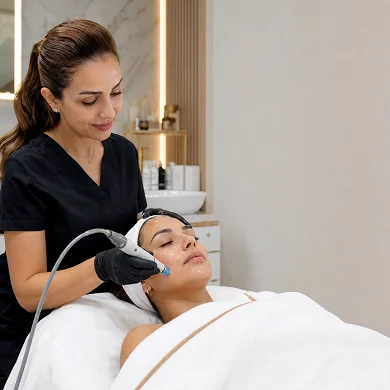
If you are wondering how does a HydraFacial work, the treatment uses a handheld device that performs several skincare steps in one session.
The device works through a vortex-fusion delivery system, which gently loosens dead skin cells, clears clogged pores, and infuses hydrating ingredients into freshly exfoliated skin.
Rather than aggressively scrubbing the skin, HydraFacial combines mild exfoliation with hydration, making it appealing for people with sensitive or reactive skin.
The treatment is designed to improve:
- Skin hydration
- Texture and smoothness
- Pore congestion
- Mild acne concerns
- Fine lines
- Uneven tone
- Dullness
HydraFacial Treatment Steps: What Happens During the Session
A typical HydraFacial session runs between 30 and 60 minutes, depending on your skin concerns and any add-on treatments. Here is what each stage involves:
Step 1: Cleansing and Exfoliation
The session begins with a thorough cleanse to remove makeup, SPF, and surface oil. The device then gently exfoliates the outermost layer of skin, loosening dead skin cells and preparing the face for what comes next.
This is not aggressive resurfacing — the exfoliation is designed to be thorough without being harsh. Most people find it comfortable throughout.
After this stage, skin typically looks cleaner and slightly brighter, with better texture and improved readiness to absorb the serums used later.
Step 2: Gentle Chemical Peel
A mild chemical solution is applied to help break down and loosen impurities sitting inside the pores. This usually involves a low-concentration blend of glycolic and salicylic acid, effective enough to soften congestion, but considerably gentler than a standalone chemical peel treatment.
Most people feel a very mild tingling during this step. There is no heavy peeling or recovery period associated with this stage of HydraFacial.
Step 3: Painless Extraction
This is one of the most recognizable HydraFacial treatment steps.
The device uses painless suction technology to remove:
- Blackheads
- Whiteheads
- Excess oil
- Dirt and debris
Compared with manual extractions, many patients find this process more comfortable and less irritating.
If clogged pores or congestion are a concern, this stage may provide noticeable improvements.
Step 4: Hydration and Serum Infusion
The final stage is where the real nourishment happens. With the pores now cleared and the skin freshly exfoliated, a blend of targeted serums is delivered directly into the skin.
The exact serum blend depends on your skin concern and can be customized per session.
Common ingredients include:
- Hyaluronic acid — for deep hydration and plumping
- Peptides — to support collagen and skin firmness
- Antioxidants — for environmental protection and brightening
- Skin-brightening compounds — for tone and radiance
After this stage, the skin typically looks visibly more hydrated and refreshed. The glow most people associate with HydraFacial comes largely from this combination of cleared pores and infused moisture.
HydraFacial Benefits: What It Actually Does for Your Skin
One reason HydraFacial continues to grow in popularity is the wide range of HydraFacial benefits it may offer.
Deep Cleansing Without Irritation
The combination of exfoliation and suction extraction provides a level of pore cleansing that is difficult to achieve at home. For people with oily or congested skin, this can mean noticeably less visible buildup and a cleaner skin surface.
The advantage over manual deep cleansing is that the mechanical process minimizes the trauma and post-treatment redness that some people experience with traditional extractions.
Improved Hydration, Not Just Surface Moisture
Many skincare products hydrate the surface of the skin. HydraFacial’s serum infusion step delivers moisture more directly into freshly exfoliated skin, which means better absorption and a more lasting effect than most topical products applied on top of congested or dull skin.
Dry and dehydrated skin types often find this the most noticeable benefit – skin feels softer, looks more supple, and has a healthier overall appearance after treatment.
Smoother Texture
The exfoliation step removes the buildup of dead cells that can make skin feel rough and uneven. Most people notice a tangible improvement in smoothness immediately after their first session, and this tends to improve further with regular treatment.
Reduced Appearance of Enlarged Pores
HydraFacial does not permanently change pore size, nothing does. But by clearing the congestion that makes pores appear wider, treated skin often looks more refined and smoother in texture.
This benefit is most noticeable in people with oily or congested skin where pore buildup was contributing to their visible appearance.
Helps With Acne-Prone Skin
HydraFacial is not a medical treatment for acne, and it will not resolve moderate or severe breakouts on its own. But for people dealing with mild acne, excess oil, and general congestion, it can be a useful part of a broader skincare approach. The extraction step helps clear blocked pores, and the salicylic acid used in the peel stage has properties that support oil control and reduce congestion over time.
Brightens Dull Skin
Many people seek HydraFacial before special occasions because it can leave skin looking brighter and more refreshed.
This “post-facial glow” is one of the reasons the treatment is so popular.
Improves Fine Lines and Early Signs of Aging
HydraFacial is not an anti-aging treatment in the clinical sense. It will not resolve wrinkles or significantly improve deep lines. But the hydration effect can temporarily plump the skin and soften the look of fine lines, and consistent exfoliation over time supports a smoother, fresher skin surface.
For more significant anti-aging concerns, HydraFacial works best as part of a broader plan that may include other treatments.
Who Is a Good Candidate for HydraFacial?
One of HydraFacial’s genuine advantages is its versatility. The treatment can be adapted to suit a range of skin types and concerns, which is part of why it has remained consistently popular.
Oily and Congested Skin
The extraction process may help remove excess oil and reduce congestion.
Dry or Dehydrated Skin
Hydrating serums can improve moisture levels and skin softness.
Sensitive Skin
Because the treatment is relatively gentle, many people with mild sensitivity tolerate it well.
However, always consult a professional if you have active irritation.
Aging or Mature Skin
HydraFacial may help improve texture and temporarily soften signs of aging.
Dull or Uneven Skin Tone
If your skin looks tired or lacks brightness, exfoliation and hydration may help restore glow.
HydraFacial Results: What to Expect
Immediately After Treatment
Most people leave a HydraFacial session with visibly brighter, smoother, and more hydrated skin. The complexion often looks cleaner and more even, and many people notice that their pores appear less congested.
There is generally no meaningful redness or recovery period. In many cases, people go directly from their appointment to work, social events, or other commitments without any obvious sign they just had a skin treatment.
In the Days Following
The immediate glow typically lasts between 5 and 7 days, sometimes longer depending on your skin type and how well you maintain aftercare. Skin tends to feel softer and look more even during this period.
As with any facial, the improvement is gradual over time with repeated sessions rather than dramatic after a single treatment.
With Ongoing Maintenance
People who maintain HydraFacial on a regular schedule — typically every four to six weeks — often report cumulative improvements in texture, hydration levels, and overall skin quality. Consistency is where the real long-term value lies.
HydraFacial Side Effects: What to Be Aware of
HydraFacial is considered one of the lower-risk professional facial options, but side effects can still occur.
Temporary Redness
Some mild flushing or redness immediately after treatment is common and usually resolves within an hour or two. It is rarely severe enough to cause concern.
Increased Sensitivity
Skin may feel slightly more sensitive than usual for the first 24 hours. Avoid strong active ingredients, harsh exfoliants, or exposure to excessive heat during this period.
Temporary Breakouts
Some people experience a mild breakout in the days following treatment, particularly if significant congestion was present beforehand. This is often a sign that the extraction process brought impurities to the surface. It usually resolves on its own within a few days.
If breakouts are persistent or more significant than expected, it may indicate the treatment was too stimulating for your skin, or that a different approach is more suitable.
Rare Reactions
People with highly reactive skin, active rosacea flares, open wounds, or certain skin conditions should speak with a dermatologist before having HydraFacial. A patch test or professional consultation can help identify any potential concerns in advance.
HydraFacial Aftercare: How to Protect Your Results
Good aftercare is straightforward, but it makes a real difference to how long your results last and whether your skin reacts well to the treatment.
What to Avoid for 24–48 Hours
- Strong exfoliants and acids — the skin has already been exfoliated; adding more is counterproductive
- Retinoids — these can cause irritation on freshly treated skin
- Excessive heat — hot showers, saunas, steam rooms, and intense exercise
- Heavy or occlusive makeup immediately after treatment
- Touching or picking the skin
What to Do
- Keep the skin hydrated with a gentle, non-comedogenic moisturizer
- Apply a broad-spectrum SPF — freshly treated skin is more sensitive to UV
- Drink enough water to support the hydration effect
- Follow any specific guidance your provider gives based on your treatment
How Often Should You Get a HydraFacial?
There is no single answer that applies to everyone. Frequency should be guided by your skin goals, skin type, and how your skin responds to treatment.
| Goal / Skin Type | Suggested Frequency |
| General skin maintenance | Every 4-6 weeks |
| Oily or congested skin | Every 3-4 weeks |
| Mild acne management | Every 3-4 weeks |
| Dry or dehydrated skin | Every 4-6 weeks |
| Sensitive skin | Every 6-8 weeks |
For most people, a monthly maintenance schedule tends to be a good starting point. Your provider can adjust this based on how your skin responds over time.
Key Takeaways
- HydraFacial is a non-invasive facial combining cleansing, exfoliation, extraction, and hydration in one device-driven session.
- It differs from traditional facials through its consistent, technology-based approach and minimal downtime.
- The main benefits include cleaner pores, improved hydration, smoother texture, and immediate brightening.
- Most sessions take 30-60 minutes with results visible immediately.
- It suits a wide range of skin types, including oily, dry, sensitive, and aging skin.
- Maintenance every 4-6 weeks produces the most sustained results.
- Side effects are generally mild and temporary.
Final Thoughts
If you have been asking “what is a HydraFacial?”, the answer is simple: it is a professional skin treatment designed to deeply cleanse, hydrate, and refresh the skin in one session.
Whether you are dealing with acne, dryness, dullness, fine lines, or enlarged pores, HydraFacial may be a worthwhile option to explore. While results vary from person to person, many people choose it for its gentle process and instant glow.
The best approach is to understand your skin goals and consult a qualified skincare professional to determine whether HydraFacial fits your needs.
Explore More
Looking for the best facial treatment for your skin type? Browse our guides on HydraFacial benefits, comparisons with other treatments, aftercare advice, and expert recommendations for every skin type and concern.
FAQs
Does HydraFacial hurt?
Most people describe HydraFacial as comfortable and painless.
Can HydraFacial cause breakouts?
Temporary breakouts may happen for some individuals, especially if pores are congested beforehand.
Is HydraFacial safe for sensitive skin?
Many people with sensitive skin tolerate it well, though professional consultation is recommended.
Can HydraFacial remove blackheads?
HydraFacial may help reduce blackheads by clearing clogged pores.
How long do HydraFacial results last?
Results often last several days to a few weeks, depending on skin condition and aftercare.
Can HydraFacial be combined with other treatments?
Yes, and this increasingly common. HydraFacial is often used alongside LED therapy, dermaplaning, or targeted boosters for enhanced results. Your skincare provider can advise on combinations that make sense for your skin goals.