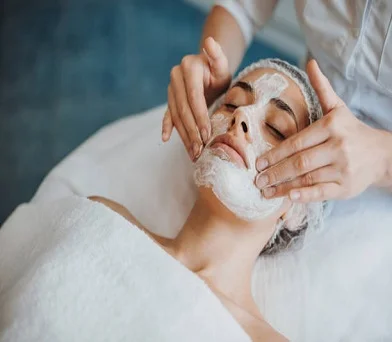
Ever thought about how does a facial work, or why your face looks brighter afterward? Skilled hands follow a routine that mixes proven methods with top-quality ingredients to clear out pores, feed the skin, then refresh it. If you’ve never been before – or just want to know more – here’s how each stage unfolds. You can also explore different best facial treatments for your skin type to understand which option suits your needs. What touches your face, when, and how – it all adds up.
How does a Facial Work? Basics
A facial isn’t just one thing. It layers steps, similar to advanced treatments like Hydrafacial treatment for deep skin hydration. Your usual wash-and-moisturize habit stays on the surface. This digs further, nudging cells into renewal, like pressing quiet restart on your face.
Confidence begins when you know what comes next. Realistic hopes grow from clear knowledge of each stage. Talking with your skincare expert flows more easily once details are familiar. Steps on the face make more sense ahead of time.
Purpose of Every Step
Cleansing opens the way, setting things up right from the start. Because one phase flows into another, buildup happens naturally without rush. Each move has its place since timing shapes results. Without skipping ahead, progression feels almost inevitable – like layers unfolding on their own.
- Pure skin starts when grime lifts away – only then do actives move deep. What follows? Better reach, deeper work.
- Fresh skin shows once old surface cells are removed by exfoliating. Slow buildup fades when this process happens regularly. A clearer texture appears over time without harsh scrubbing needed. Dead layers lift off, leaving space for new ones to take their place.
- Clearing out trapped debris opens up clogged skin passages. Pore blockages dissolve when impurities are lifted away. Removing built-up gunk lets pores breathe freely again.
- Fingers pressing into skin get blood moving while helping the body flush out fluids.
- Fresh from the jar, a mask pours rich care into skin. Packed with fixers, it works while you sit still. Not just feeding, yet adjusting what feels off. A pause that swaps dullness for something steadier.
- Water-rich care wraps the fresh surface, locking in safety. Skin drinks it slowly.
A fresh layer appears with every move forward, so the full routine works better than just one piece by itself. The whole process gains strength from what came before it, turning small actions into something stronger together.
Expected Outcomes
Right away, people tend to see smoother skin once the appointment wraps up. Often, brightness shows up too – almost like flipping on a light behind the face. Some mention evenness kicking in, where blotchiness fades without warning. Little by little, rough patches soften, almost vanishing into the background. A few days later, people catch themselves looking fresher, though they can’t always name why
- Smoother, softer skin texture
- Reduced the appearance of clogged pores
- A brighter, more even complexion
- Less swelling shows up after a few days. Firmness gets better over time because of steady use
- Deep hydration that lasts several days
Some people see changes fast. Others take time. Skin type plays a role. So does the kind of treatment picked. Sticking to a routine matters too. Experts often suggest one session every month or so. Around four to six weeks apart is how skin renews itself. Timing shifts based on personal needs. Not everyone follows the same pace.
Step-by-Step Facial Procedure
Focusing on one step at a time makes things clearer. Each part unfolds differently, so being aware helps ease the mind. Expecting what comes next allows comfort to grow naturally through the process.
Cleansing
Starting, the face gets cleaned twice to clear away makeup, sunscreen, oil, plus dirt picked up throughout the day. Cleansing happens two times, so everything on the surface lifts away completely. First round takes off the top layer of grime, then the second dives deeper. This step makes space for what comes next by opening up the skin gently. Built-up gunk from daily exposure washes out early in the process. Removing these layers helps later products work better. Each cleanse targets different residues left behind.
A good facial always begins with cleaning. Your skin type decides what gets used – oily might get something light that bubbles, while dry often needs rich and soothing stuff instead. Messing up here affects everything after. Rushing? Same problem. The whole process depends on doing this right first.
A fresh start begins with a clean face – wash it first. When you skip cleansing, treatments struggle to sink in. Up to forty percent better absorption happens when dirt and oil are gone. Think of it like soil before planting seeds. Without that base step, results fade fast.
Exfoliation
After washing, things shift toward scrubbing – a key moment in facials. Dead cells pile up, weighing down brightness, creating patchiness across the face. Scrubbing sweeps them away.
Follicles shed dead skin through mechanical means; sometimes, that method involves scrubs. Other times, professionals choose chemical solutions such as chemical peel facial treatments for brighter skin.
- Starting with small beads or soft brushes, these items rub away dead cells by hand. Some rely on textured cloths instead of harsh grains. A light touch works better than pressing hard during use. Tools like sponges take turns removing surface flakes slowly. Most people notice a smoother texture after just a few uses. Tiny particles move across the face in circles without rushing.
- Peeling happens when acids break connections holding dull skin. Glycolic acid, a type of AHA, loosens surface layers gently. Lactic acid works much the same way but feels milder on sensitive areas. Salicylic acid dives deeper because it slips into oil-filled pores easily. These ingredients help old flakes fall away without scrubbing hard.
Right away, your skin looks brighter after exfoliating. Because dead cells clear out, what you apply next sinks in better. With consistent use, the deeper layers start building more collagen naturally.
Extraction
Here’s where fingers get busy beneath the surface. People tend to watch closely during this part, unsure what to expect. Picking at blockages happens one by one, slow and precise. Tiny spots hide just below the top layer, waiting to be nudged out. Each pore releases only when ready, never forced.
Steam usually comes first, softening the surface so each pore opens up ahead of touch. Fingers covered properly or a small handheld device help lift out blockages with control instead of force. The person doing it knows how pressure and angle affect results, aiming to clear only what needs removal. Tissue nearby stays unharmed when movements stay deliberate, and tools remain clean throughout. Discomfort drops significantly once warmth prepares the area fully, step by quiet step.
Home attempts at forceful extraction carry real risks. Mistakes may lead to skin damage or blood vessel breaks. Infections are possible when done without proper care. This task works best in trained hands only.
Massage
Starting at the forehead, hands glide up in slow circles. Pressure stays light as fingers move toward the jawline. Motion shifts down the neck in gentle sweeps that follow natural curves. Each pass helps fluid move away from tissues. The chest area gets the same rhythm, smooth and steady. Skin feels awake afterward, not stretched or tight.
- Fresh each time, the effects show fast – building slowly with every session
- Fresh blood flow increases, carrying oxygen along with vital nourishment straight to skin cells
- Floods of movement wake up the body’s drainage paths, sweeping away swelling along with trapped waste. Quiet shifts inside the skin push fluid where it needs to go, clearing congestion like a slow tide pulling back
- Encourages collagen and elastin production over time
- Relaxes facial muscles, softening the appearance of expression lines
- Moves deeper into the skin when the next items are applied. Slips through more easily after this step. Helps later products take hold faster. Lets what comes next stick better. Works by opening paths ahead. Sets things up for those following behind
Most people find that this moment stands out during the whole treatment – they’re not wrong.
Mask Application
A tailored mask goes on after the massage, shaped by what your skin asks for right then. This step shifts with every visit, built only around how your skin responds that day.
Some modern facials also combine technology-based treatments, such as LED light therapy facial treatments, for enhanced results.
- Starting, clay or charcoal masks work well on oily or breakout-prone skin. Deep down inside the pores, they pull out dirt and gunk. These ingredients clean thoroughly without harsh steps. Pore buildup tends to fade when using them regularly. Not gentle? Maybe. But effective? Often yes.
- Moisture-rich face coverings sit gently on parched areas, filled with hyaluronic acid alongside peptides. These thin layers deliver comfort where skin feels tight. Some stick close like a second skin, others drape loosely. Each one holds soothing elements that soften rough patches over time. The blend inside works quietly, not loudly. Results show slowly, never suddenly.
- Some face treatments lighten dark spots using ingredients like vitamin C. Others rely on niacinamide to balance skin color. A few mix both to tackle patchy tone. These masks aim for a clearer look over time. Results show that when used regularly without harsh steps.
- Soothing face coverings made gentle through aloe vera, while chamomile adds quiet relief. Skin that reacts easily finds balance when Centella asiatica steps in softly. Each ingredient works without pushing too hard, like a whisper instead of a shout.
A timer runs between ten and twenty minutes while you sit with the mask on. Your skin specialist might work on your hands or head at the same time. Doing more than one thing keeps the session moving without pauses.
Moisturizing
A splash of moisture comes last, yet holds weight equal to the opening move. Once dirt lifts away, dead cells scatter, treatments soak in, the shield around your skin asks for renewal – protection follows close behind.
A light serum comes first, followed by a rich moisturizer that sinks deep. Then an eye cream glides on, gently around the delicate area. Protection finishes it – SPF matched exactly to how your skin reacts. Everything stays locked where it should, held safe under a shield from daily exposure.
Finding out what product was used during your facial? That detail could shape how you care for your skin afterward. Your esthetician might mention the exact cream or liquid on your face – useful info when picking items for daily use. Knowing their choice helps match your home habits to the treatment received. Skip guessing; let the pros guide part of your routine.
What Happens to Your Skin During a Facial?
Treatments like Hydrafacial before and after results often show these improvements clearly. Peeling back what happens below makes it clearer why regular sessions pay off over time. A steady routine doesn’t just feel good – it builds resilience right where it matters.
Cellular Rejuvenation
Right now, each part of your skin works to refresh itself. As time passes, though, that cycle – called desquamation – begins to drag. Old cells stick around, piling up where they shouldn’t. This buildup brings a lackluster tone, clogged pores, and rough patches, too.
A facial brings fresh life to your skin when gentle scrubbing meets powerful actives that wake up cell renewal. Instead of waiting, the surface begins changing as retinoids nudge deeper layers to act younger. AHAs step in, loosening old cells so they slip away without lingering. Peptides join by reminding the tissue to rebuild strength from within. Collagen production climbs because signals pass clearly now. Resilience grows even between sessions thanks to these quiet shifts.
Over time, skin appears more youthful – not only right after treatment but also in how it behaves. What changes? A lasting difference shows up gradually.
Improved Blood Circulation
Starting with touch, the massage shifts how blood moves under your skin. When pressure rolls across the face, tiny vessels open wider – sending more circulation into the outer layers. That rush shows up as soft warmth right below the surface.
This rise in flow brings about:
- Oxygen – essential for healthy cell metabolism.
- Minerals and vitamins play a role in building collagen. What helps the body make this protein often comes from food sources rich in essential elements. These substances work behind the scenes, quietly contributing to structure and strength. Without them, the process slows down, affecting tissue health over time.
- Every so often, fluid moves through a network of vessels that clears waste. Toxins drift away as immune channels carry them off. Inflammation leftovers vanish faster when this flow stays strong. Draining happens smoothly, thanks to unseen pathways working quietly. Pressure drops, swelling fades – space opens up inside tissues. This cleanup crew operates without pause, filtering what the body no longer needs.
A flush of color shows up right away when blood moves better through the skin following a facial. This brightness sticks around, often fading slowly over a few days because circulation stays active longer than usual.
Final Notes and Suggestions for Best Outcomes
Understanding how does a facial work empowers you to make informed skincare decisions and get the absolute most from every appointment. From the initial cleanse to the final layer of moisturizer, each step in the facial procedure is purposeful — working together to deeply clean, correct, and nourish your skin at every level.
Key Takeaways:
- Start with washing the face, then move to scrubbing dead skin away. After that comes clearing out pores, followed by gentle rubbing motions across the cheeks and forehead. The next step involves spreading a thick layer of product that sits for several minutes. Finish when the cream sinks into the surface of the skin.
- A fresh phase follows every move, setting up what comes after it. One piece fits into the next like a quiet rhythm, building strength along the way.
- Underneath the outer layer, treatments spark cell renewal while boosting blood flow – this supports long-term wellness of the skin. Not just a quick fix, they work quietly below, linking deeper repair with steady nourishment over time.
- Every few weeks, a regular facial brings clearer improvements compared to random visits now and then.
Tips for Maximum Results:
- Show up without any makeup – if that feels too bare, just take off thick layers ahead of your visit.
- Start by telling your esthetician about your skin – what bothers you, what feels off. Mention anything new, like products or prescriptions. Bring up past procedures, too, even if they seem unrelated. That rash last month? Still matters. Medications count, even the ones not meant for skin. Sensitivities hide in places you might overlook. Be clear when redness shows up after certain steps. Past reactions help shape safer choices now. Details build a clearer picture than guesses ever could.
- Sticking with what works means doing the same steps every day, using items picked out by your skin expert. Routine matters most when it comes to keeping things steady, so skip the guesswork and stick to their suggestions.
- Water helps your skin stay strong when you sip it regularly, especially a few days leading up to and following your facial. A steady flow makes a difference in how your face feels later.
- A fresh facial leaves skin open to sun damage. So shield it daily using SPF protection. After treatment, defense matters most – broad coverage blocks intense rays better. Sensitivity rises once dead cells lift away. That moment needs a reliable guard against light exposure. Skip this step, and risk shows up fast.
Finding the right facial might be easier than you think. Dive into our full breakdown of top facial treatments for each skin type to learn what could work best for your unique needs.
FAQs
How often should you get a facial?
A fresh face often shows up around week five, give or take. Folks wrestling with breakouts or dark patches might visit more at first, and every few weeks can help catch things early.
Is a facial suitable for all skin types?
Right - but only if it's set up just right. One thing experts do is tweak each step and item based on what your skin actually needs, be that oily, dry, a mix of both, touchy, or aging. Though results depend heavily on how well things are matched.
Can a facial cause breakouts?
Occasionally, skin acts up following an initial facial, particularly when extractions are involved. Things might look worse before they get better - that happens because hidden buildup gets pushed out. Clearing usually takes just a handful of days. The shift toward balance begins once everything comes to light.
What should you avoid after a facial?
Avoid these things after your facial. Wait a full day or two before doing them
- Direct sun exposure (always wear SPF)
- Heavy makeup
- Fine grit scrubs might irritate, yet retinol can deepen sensitivity when skin is raw. Some products strip while others push renewal too fast - grittiness tears, whereas strong actives rush cell turnover past comfort
- Touching your face unnecessarily
- Intense workouts that cause heavy sweating